The Healing Power of Fasting (Chapter 2) by Amanda Burke
20–30 minutes
read
Chapter 2 – The Healing Power of Fasting
In this chapter, we will be discussing the true power behind fasting and why it’s something that’s been around for centuries.
If you want to jump straight to the “6 Different Length Fasts,” CLICK HERE!
Let’s start with a miniature history lesson. Thousands of years ago, our ancestors used to hunt in order to stay alive. They went through cycles of faming and feasting; eating everything they caught and then starving until their next catch or successful hunting adventure. This form of routine was possible because, as humans, we carried a gene now known as the “Thrifty Gene”. It is hypothesized that we still have this gene till this day, allowing our feasting and faming to occur as a natural bodily function. It is hypothesized that maybe our way of eating all day goes against our own genetic code!
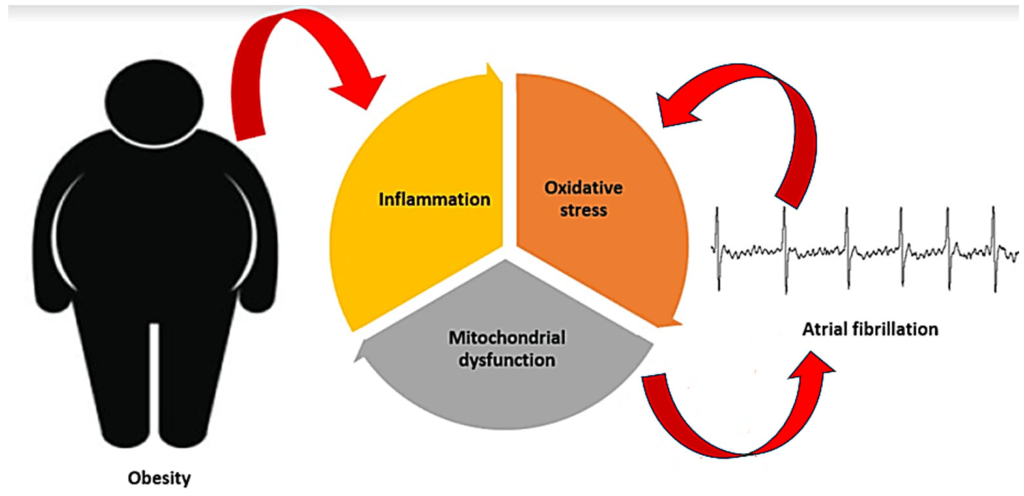
Supporters of the “thrifty gene” hypothesis think this is a pivotal reason why obesity and diabetes rates have skyrocketed. And that our current approach of eating all day, without ever dipping into periods of fasting, can be harmful to the body.
Moreover, before we can understand how fasting truly works in our body, we must understand our 2 energy pathways first: sugar and fat.
The first system is called the sugar-burning energy system (Glycolysis). This system gets activated when you eat something. Eating food raises your blood sugar and then signals to your cells to begin to use this sugar (glucose) as energy for the thousands of functions they perform. Sugar is the easiest way for your cells to use it for fuel.
When you stop eating or enter a fasting cycle, your blood sugar drops. The cells also sense the lack of sugar readily available and then turn to their second energy pathway to continue supporting the body’s daily functions. This is called your ketogenic system, or what some would say is your fat-burning system (Lipolysis).
This switchover in energy pathways is where the magic begins. Although every single person will fast differently, to give you a rough estimation, research shows that it can take around 8 hours for your body to enter and shift to a fat-burning system.
If you’ve never gone 8 hours without eating, chances are you’ve never experienced the healing benefits of fasting.
And on that note, the author herself has reviewed over 85 studies declaring that intermittent fasting should be used as the first line of treatment for obesity, diabetes, cardiovascular disease, neurodegenerative brain conditions, and cancer. It also stated that intermittent fasting has anti-aging effects and can help with pre- and post-surgery healing.
This meta-analysis also highlighted several key cellular healing responses that happen when we periodically flip our metabolic switch and move into our fat-burning system.
These cellular healing benefits include: increased ketones, increased mitochondrial stress resistance, increased antioxidant defenses, increased autophagy, increased DNA repair, decreased glycogen, decreased insulin, decreased mTOR, and decreased protein synthesis.
SKIP over this section if you don’t need to know the specifics of each one of these. (Click Here)
Ketones
You feel limitless when your body makes ketones.
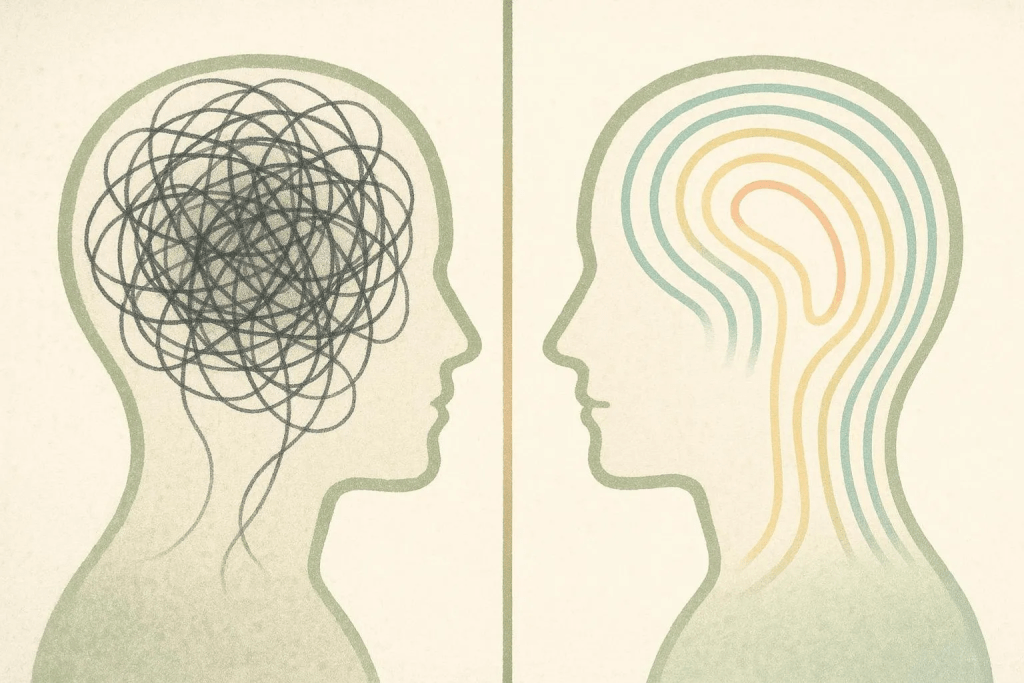
Okay, first of all, Ketones are SO cool. The more I learned about them, the more I found myself becoming fascinated. Ketones are organic compounds that your liver produces when your blood sugar drops. Why? Because ketones are an alternative fuel source for your cells when glucose/sugar is not available. Why are they so cool? Because they also have reparative functions as well. Specifically for your nervous tissue. This is incredibly helpful because our neuroplasticity declines as we age. Neuroplasticity is your body’s ability to repair damaged nerves. They have the power to regenerate damaged neurons that carry information throughout your brain, improving your memory and ability to retain new information, as well as giving you increased focus and mental clarity.
I’m not done ranting about ketones. This energy is also much different from the energy you feel after you eat. When we operate from our sugar-burning system (glycolysis), we feel our energy go up and down. Ketone energy derived from your fat storage is much different. It is a consistent release of energy, giving you both physical and mental clarity throughout your day! Ketones will also go up to the hypothalamus of your brain, and turn off your hunger hormone (Grehlin is your hunger hormone, little extra fact). 🙂 That’s why the longer you settle into a fasting routine, the easier it gets to tolerate the absence of food. Thanks to your ketones, it takes care of your energy and feelings of hunger. It’s giving natural Ozempic. Lolll just kidding.
Lastly, this might be the most interesting fact of them all. The rise in ketones also triggers the release of a calming neurotransmitter called GABA. This neurotransmitter has an anti-anxiety effect on your brain. Personally, as someone who takes anti-anxiety medication, this really sparks my curiosity.
Autophagy Inspired Fasting!
When you fast, you put your cells into both a state of autophagy and ketosis, creating an amplified healing state that will have your body performing better than you may have ever dreamed possible. This is the magic of fasting!
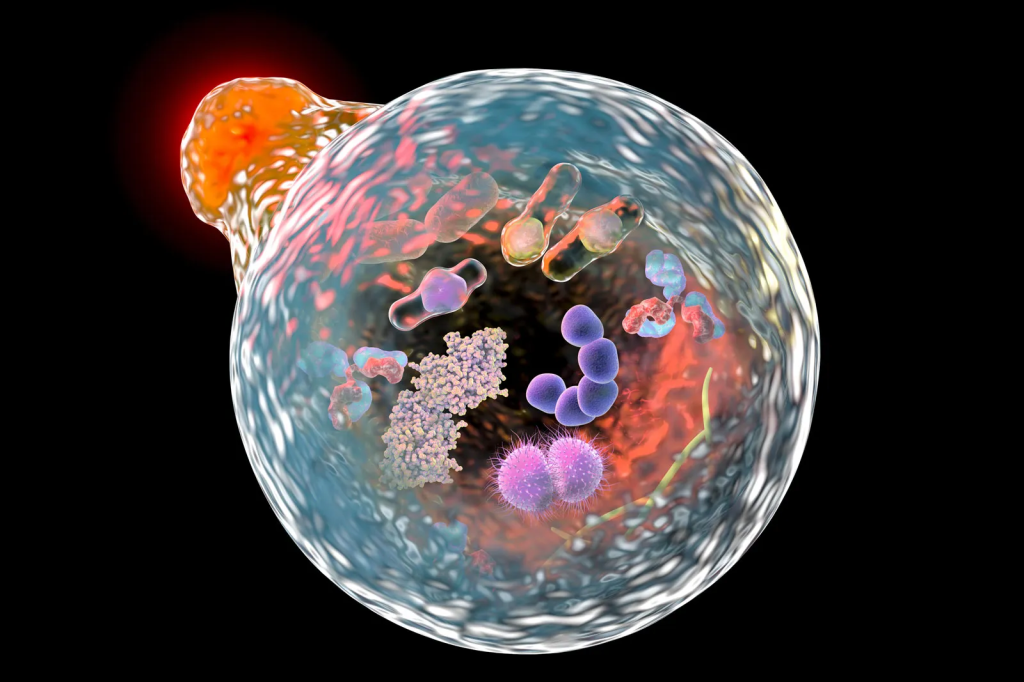
If there is one cellular process that has caused so many to try fasting, it is autophagy. When there is a drop in blood sugar, your cells respond by self-repairing. Why? Because they want to become more resilient. Think of your cells like a mini version of yourself, trying to always self-improve and become a better version. They improve cellular resilience in three ways: detox, repair, and the removal of diseased cells. In 2016, a Japanese scientist, Dr. Yoshinori Ohsumi, won the Nobel Prize in physiology and medicine after revealing that in the absence of food, our cells get stronger. Ohsumi’s work was so profound that it sparked thousands of people to understand why autophagy is such a necessary healing state for the human body.
Overall, increased autophagy supports healthier, more efficient cells and is linked to better aging outcomes and reduced risk of diseases like metabolic syndrome.
Decreases glycogen and insulin stores
Glycogen is all that extra sugar that gets stored away when you’ve been eating a high-sugar diet for years. Glycogen is stored in 3 different places: your muscles, liver, and fat. The only one that is easily accessed is the glycogen in your muscles, because by doing high-intensity exercise and strength training, it can be released. But how do we target the liver and those stubborn fat stores? This is where fasting really shines.
A helpful way to think about it is like your kitchen: your fridge holds the food you use daily (readily available energy), while your freezer stores backup supplies. As long as you keep restocking the fridge, you never need to touch the freezer. But when you stop bringing in new food, like during fasting, your body is forced to rely on those stored reserves, gradually using up glycogen and then tapping into fat stores for fuel.
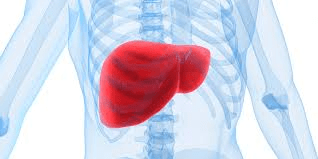
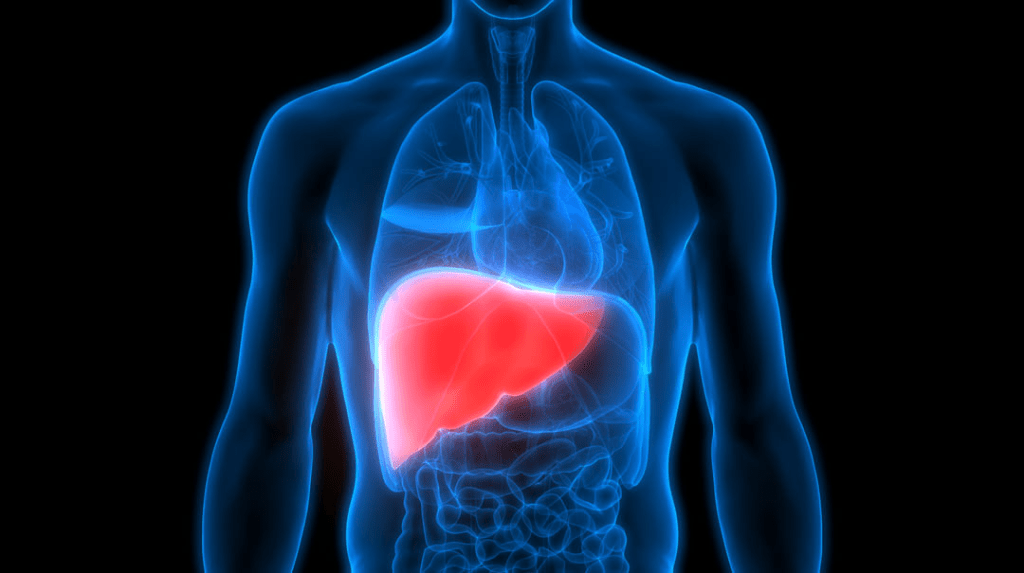
Did you know that your liver is one of the hardest-working organs in your body? It burns fat, breaks down hormones, and provides lots of cholesterol for your brain. Fasting is an amazing way to get the liver to release excess glycogen so that it can perform at its absolute best! Fasting gives your cells a reason to use that sugar. This is why so many fasters get lasting weight loss results: they are finally able to undo all the damage done by previous diets.
And there’s more. Fasting also forces your body to release excess insulin. As previously mentioned, insulin spikes every time you eat. Anytime you eat a high-sugar, high-carb meal, you will experience a large spike in insulin. Do this several times a day, or even for years, and you end up having insulin resistance. Just like your glycogen, when your body has excess insulin, it gets stored away in the liver and fat. And again, the more you put your body in a fasted state, the more you will force your body to excrete them to be metabolised.
Think about this for a moment. Every diet you have ever been on has started with changing the foods you were eating or limiting the amount of calories you consumed.
Fasting is based on changing when you eat and not what you eat. The simple act of compressing our food intake into smaller eating periods of 8 to 10 hours can instantly have an impact on our metabolic health!
Increases Growth Hormone Production
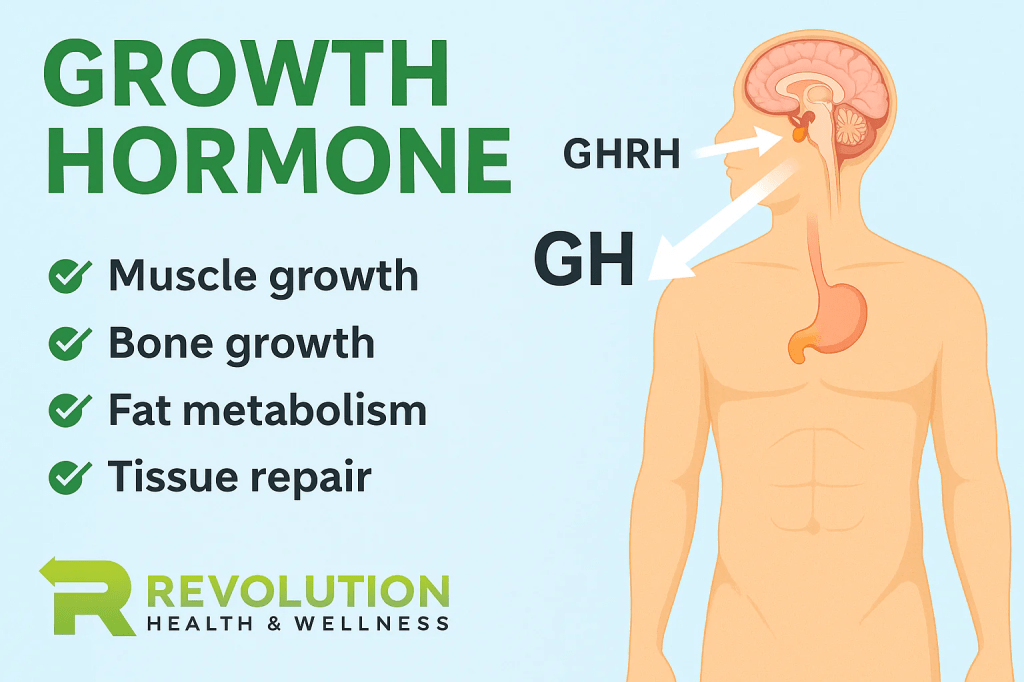
Your body’s growth hormones is how you stay looking young. This hormone peaks at puberty and then makes a slow decline and diminishes by the age of 30. The growth hormone performs 3 key functions: burns fat (especially around the midsection), promotes muscle growth, and promotes healthy brain growth. Decreasing your blood sugar levels and entering a phase of fasting can help you feel youthful.
Resets Dopamine Pathways
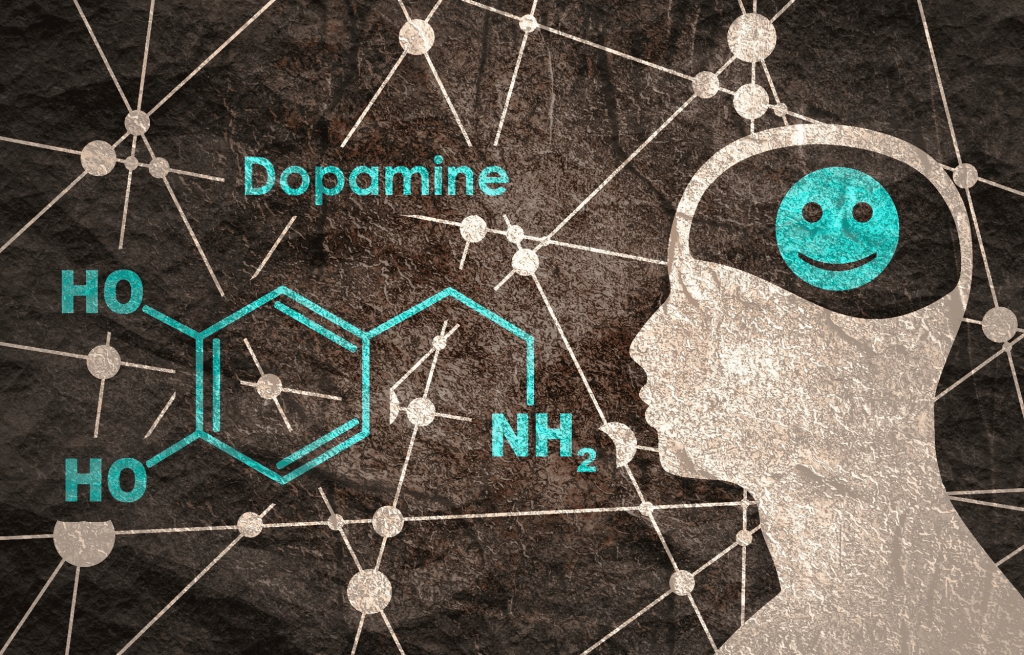
Every single time you eat, your body experiences a dopamine hit. Some people can get a rush of dopamine just thinking about food (lol me). With a regular eating schedule, having meals throughout the day, we get dopamine hits constantly. You have something called a “dopamine baseline”. When your baseline gets raised, you begin needing more dopamine to experience that rush. Just like you can be insulin resistant, you can ALSO be dopamine resistant. This is why some individuals eat more frequently than standard, because they are trying to get a normal dopamine response. We don’t just get dopamine from food; it can also come from visual or auditory triggers: the sound your phone makes when you get a message, the followers and likes on social media, etc. Not only can certain fasts help you stop the age-related decline, but they can also help restore your dopamine baseline, increasing your overall feelings of contentment.
Repairs the Immune System
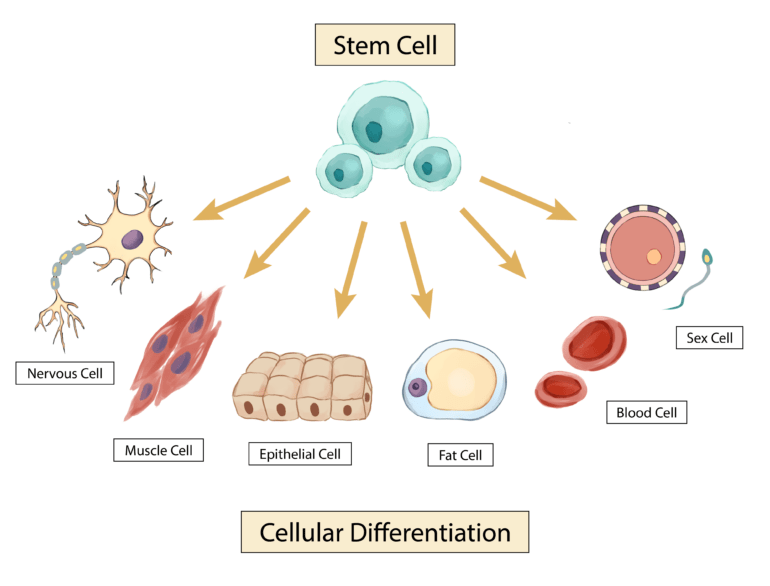
Research shows performing a 72 hour fast can help your body release stem cells into the blood stream, identify worn-down white blood cells and make new ones to replace them. If you’re not familiar with stem cells, they can go to any injured body part and repair it! You can think of stem cells like the base model; they have the ability to turn into any one of these cells below. See the image.
Improves your Microbiome
Let me give you a mini “Fun-Fact” Trivia about your gut.
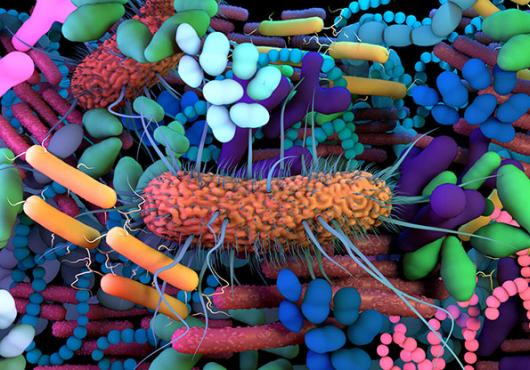
You have more than 4000 different microbial species living in you, and 90% of these live in your gut.
Evidence shows that one round of antibiotics kills 90% percent of your gut bacteria. 90 percent!
Two of the most abundant bacterial phyla you have in your gut are Bacteroidetes and Firmicutes.
Obesity is linked to decreased microbial diversity compared to lean individuals.
Your microbes are responsible for weight loss, neurotransmitter production, breaking down estrogen, and so much more.
The more microbial diversity you have, the lower your appetite will be.
Now, while this list might start to feel depressing, my last fact for you is that fasting brings back and restores your microbiome! It’s done in 4 ways: microbial diversity moves microbes away from the gut lining, improves the production of bacteria that change white fat to brown fat, and regenerates stem cells that will repair your gut lining. (brown fat is the easier fat to burn because it carries more mitochondria in its cells, having the ability to produce more heat and essentially burn off). With regular 24-hour fasts, you can help release stem cells to repair your gut, and evidence shows that longer fasts, like a five-day fast, can dramatically impact your gut bacteria (specifically the gut bacteria that are responsible for your blood pressure). It suggests that fasting could be a superior lifestyle modification over food changes to alleviate high blood pressure.
Reduces the Recurrence of Cancer
Ten years ago, The Journal of the American Medical Association released an observational study that looked at more than 2000 women between the ages of 27 and 40 who had undergone the conventional breast cancer treatment. They analysed this group for 4 years, and here’s what they found. A woman who fasted had a 64% chance less of recurrence of breast cancer! Largely because fasting created a significant decrease in hemoglobin A1c, an indicator of blood glucose levels, and C-reactive protein, an indicator of inflammation.
As someone with breast cancer in the family, changing what I can do now for prevention is at the top of my priority list.
Improving Mitochondrial Stress Resistance
This is the ability of mitochondria to keep working properly and support cell balance even when they are under stress or slightly damaged. A key concept here is mitohormesis, which means that small amounts of stress can actually be beneficial. This mild stress activates protective responses inside the cell.
In response, mitochondria turn on survival mechanisms like:
UPRmt (mitochondrial unfolded protein response), which helps fix or manage damaged proteins
Mitophagy, which removes and recycles damaged mitochondria
Together, these processes make mitochondria more resilient over time, helping protect against aging and diseases like metabolic syndrome.
Increasing Antioxidant Defenses
This means boosting the cell’s ability to neutralize reactive oxygen species (ROS)—harmful molecules that can damage proteins, DNA, and cell membranes. Through processes like mitohormesis, small amounts of stress signal the cell to produce more antioxidants (such as superoxide dismutase and glutathione). As a result, stronger antioxidant defenses can improve resilience to aging and lower the risk of diseases like metabolic syndrome.
Increases DNA Repair
DNA Repair helps the cell get better at finding and fixing damage to its DNA, which can be caused by things like reactive oxygen species (ROS) or normal metabolic stress. Through processes like mitohormesis, mild stress signals the cell to activate repair pathways such as base excision repair (BER) and nucleotide excision repair (NER). This helps maintain genetic stability, prevent mutations, and keep cells functioning properly, ultimately supporting healthier aging and reducing the risk of diseases like metabolic syndrome.
Fasting decreases mTOR
Decreased mTOR (mechanistic target of rapamycin) activity means the cell is turning down its “growth and building” signals. mTOR normally promotes processes like protein synthesis and cell growth when nutrients are abundant. When mTOR activity is lower—such as during fasting, exercise, or mild stress—the body shifts away from growth and toward maintenance and repair. This activates processes like autophagy, which helps clean out damaged cellular components and improves overall cellular efficiency. As a result, decreased mTOR is linked to better cellular health, improved stress resistance, and potentially slower aging and reduced risk of diseases like cancer and metabolic syndrome.
Fasting decreases Protein Synthesis
Decreased protein synthesis means the cell is temporarily making fewer new proteins, usually in response to low nutrients or mild stress. While that might sound negative, it actually helps the cell conserve energy and shift focus toward maintenance and repair instead of growth. This is often linked with lower mTOR activity and increased autophagy, allowing the cell to recycle damaged proteins and improve overall quality control. As a result, decreased protein synthesis can enhance cellular efficiency, reduce the buildup of faulty proteins, and support healthier aging and stress resistance.
NOW, ATTENTION ALL GYM-RATS!!!
The body isn’t “losing gains,” it’s just pausing growth to focus on repair and efficiency. During this time, processes like autophagy clean up damaged proteins and improve muscle quality. Then, when you eat again, especially protein, protein synthesis rebounds, often more efficiently.
You’re not losing muscle, you’re improving the quality of your muscle and making your body more responsive when you do eat and train. Short-term fasting does not cause meaningful muscle loss if overall protein intake and training are solid
Resistance training itself helps preserve muscle mass, even in lower-insulin or fasting states
It’s like renovating a house, you pause building to clean out the damaged stuff, then rebuild stronger.
As long as you hit protein targets and train consistently, these temporary dips in protein synthesis are part of a healthy cycle, not a setback.
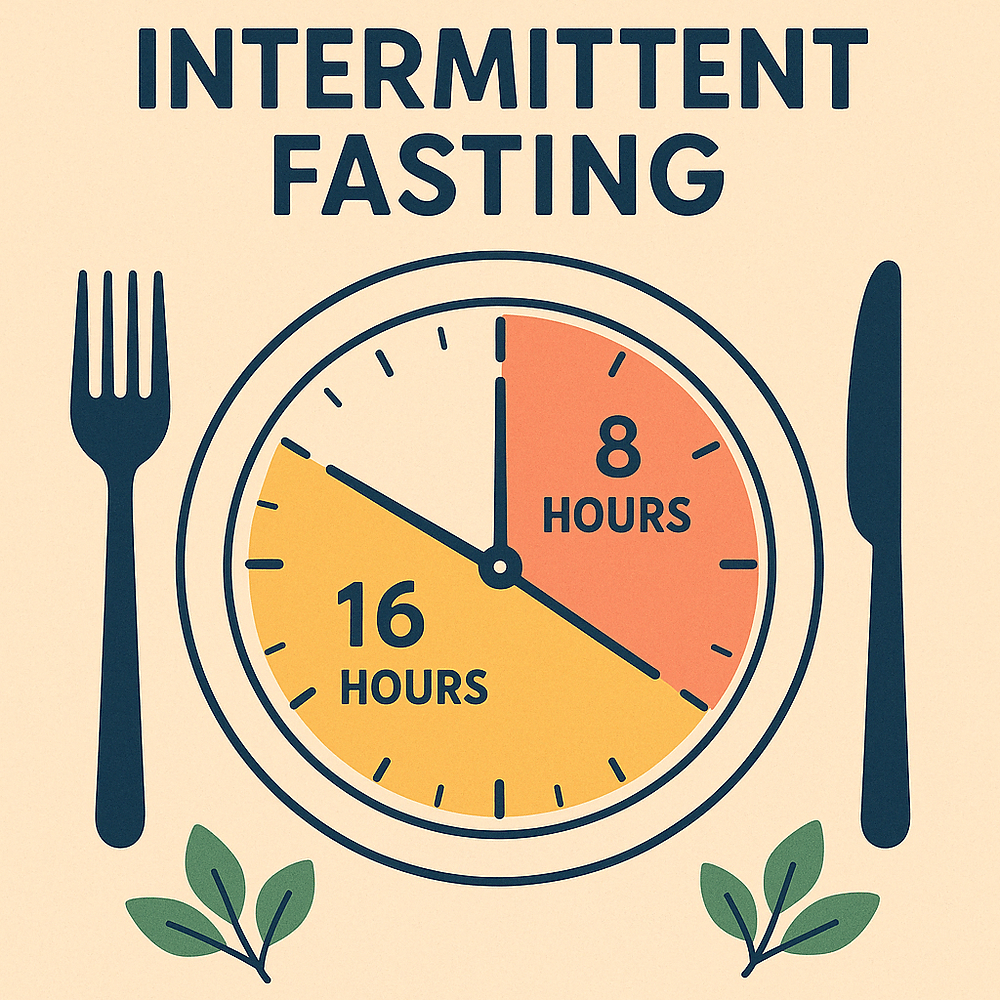
The study in the Journal of Nutrition, Health & Aging in 2018 showed that obese individuals saw dramatic metabolic improvement despite eating whatever they wanted as long as they ate food within an 8-hour window, leaving 16 hours of fasting. This one study alone gives me a sense of hope that we can undo much of the metabolic damage that is causing so many of us to struggle with poor health. Changing the time period in which we eat is more important than the actual quality of the food we eat. This is great news because everyone can apply this fasting step without sacrificing their finances.
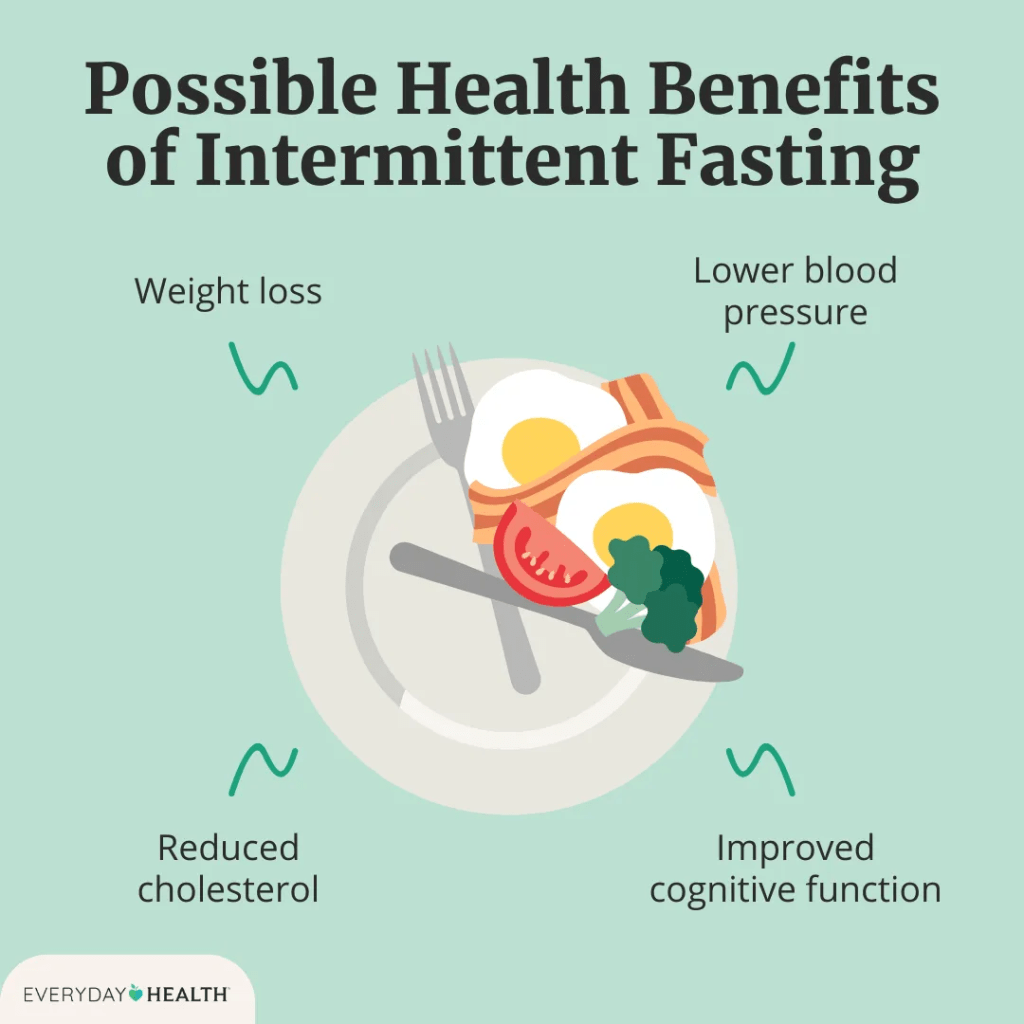
Not only are you burning energy from fat, accelerating weight loss, lowering blood pressure, cholesterol, and insulin, but the more often you can access this fat-burning state, the more repair that can happen in your body. The more you begin to consistently implement and create your lifestyle around what feels good for you, the better the results will be. You don’t need to follow the fasting regimen your neighbour is doing, either. Because what might work for them will not work for you. You get to decide what feels good and what you enjoy doing.
So now that you have a deeper understanding of why so many women love fasting, you’ll be able to appreciate it just a little more. Let’s explore the SPECIFIC benefits of different-length fasts so that you can choose the best fast for you.
So now that we’ve got that out of the way, let’s move into the more practical part of this chapter…
THE SIX DIFFERENT-LENGTH FASTS:
Intermittent fasting (12-16 hours)
Autophagy fasting: starts at 17 hours
Gut-Reset: 24 hours
Fat-Burner fast: 36 hours
Dopamine-reset fast: 48 hours
Immune-reset fast: more than 72 hours
Intermittent Fasting (12-16 hours)
Intermittent fasting is the most popular fast and also the most successful. The Idea is to have an eating window of about 8-10 hours and then closing off a block of 12-16 hours without consuming any food.
After roughly 8 hours of no glucose, your liver will begin releasing ketones to break down stored fat for energy. The first place these keytones go is to your hypothalamus in your brain, turning off hunger and giving you a boost of physical and mental energy. As your liver continues to detect the absence of glucose, it will keep breaking down glycogen and insulin stores by breaking down more fat.
Dipping into these fasts repeatedly, you can see long-term improvements from metabolic markers, blood pressure, C-reactive protein, your gut health, mood-enhancing neurotransmitters, and help your blood sugar balance more efficiently. Intermittent fasting is the easiest fast to fit into your life. So, a quick recap, these are the clear reasons to use this specific fast.
If you want to lose weight
You’re experiencing brain fog
You’re suffering from loss of energy
Autophagy Fasting (17-72 hours)
A good way to know if you should consider trying this fast is if you…
Just got back from the holidays or post-vacation and need a detox
You have ADHD/ADD (bad memory recall, unfocused…)
You feel sluggish during the day
You struggle with your sex hormones (looking for more balance)
You feel inflamed all the time
Need more mental power
Want to fight off a cold
feel like you need a detox, you want to improve brain function and cognition, improve your immune system, and/or balance your sex hormones. After the holidays, post-vacation, a weekend out binge-drinking, think of “autophagy” like this magical eraser that will undo the damage a poor diet created within your cells. This is your cellular healing tool.
The neurons in your brain are highly influenced by autophagy. This has an impact on slowing down neurodegenerative aging, improving memory recall, enhancing mental cognition, and experiencing greater mental clarity and focus! As someone with ADHD, this highly interests me to test and see!
Did you know, viruses and bacteria cannot replicate when your cells are in a state of autophagy? Any fast that is longer than 17 hours will trigger autophagy and help you stay immune strong.
Think of autophagy like this magical eraser that will undo the damage a poor diet created within your cells. This is your cellular healing tool.
The neurons in your brain are highly influenced by autophagy. This has an impact on slowing down neurodegenerative aging, improving memory recall, enhancing mental cognition, and experiencing greater mental clarity and focus! As someone with ADHD, this highly interests me to test and see!
Now for the girls. Your ovaries are very responsive to autophagy. This one is useful for your premenopausal years, trying to get pregnant, and a PCOS diagnosis. Studies done on PCOS are proving that a key root cause of this hormonal condition is dysfunctional autophagy. It not only improved menstruation but also weight loss, a reduction in inflammation, and lower insulin levels. Cycling in a longer autophagy fast once or twice a week often helps maximize sex hormone production.
Gut-Reset Fast (24 hours)
When you are in a fasted state for 24 hours or more, you get a burst of stem cells released into your gut to repair its inner muscular lining, which may be damaged from years of chronic inflammation. If you have a terrible gut, this fast is the one for you. The three most common times you can use this 24-hour gut-reset fast are to;
Counteract antibiotic use;
Offset birth control use;
Help tackle small intestinal bacterial overgrowth (SIBO)
Antibiotics kill 90% of all the bacteria in your gut. That includes the good and bad bacteria. Trying a 24-hour fast gives your microbiome a do-over. Even if you spent years on antibiotics, this can undo any damage.
Furthermore, as someone who was on birth control for 2 years, I didn’t know that this pill kills microbial diversity, contributes to leaky gut, and creates an environment where yeast grows. That’s a hard pill to swallow (pun intended). As reading more into the side effects of birth control, I can’t help but feel frustrated with its impact. Birth control leaves a painful rippling effect even after you stop using it… At least for the first time, while reading this book, I am hearing someone encourage something other than birth control.
According to Dr Mindy, this is where a 24-hour fast can really save you.
Fat-Burner Fast (36 hours)
If you want to…
Minimize weight-loss resistance;
Release stored-sugar;
Reduce cholesterol
Many women feel that no matter what they do, they can’t seem to lose weight. This fat-burning fast is great for anyone who has tried shorter fasts and seen no results from it. Study shows that 36 is the magic number. A Cell Metabolism study published in 2019 had subjects follow a 30-day fasting regime called Alternate-day fasting (ADF). This is where they would do a 36-hour fast followed by a 12-hour eating window. This invoked a deep metabolic response.
The reason why women see success with this fast is that it leaves your body no other choice than to release the stubborn sugar that stays stored in your liver, fat, and muscles. A woman’s blood sugar rises as it slowly gets released into the bloodstream, allowing the sugar that has been stored in her tissues for years to finally be released. Especially fat stubbornly stored in the midsection was targeted and released.
When your liver has been dealing with high influxes of sugar, inflammatory fats, and toxins, you will often see your cholesterol rise. Cholesterol is made in your liver, as are ketones. So the longer that your body sits in autophagy, the more your body will produce ketones and stop overproducing cholesterol. Doing this length of fast once a month can often be the cholesterol solution you’ve been looking for.
Dopamine-Reset Fast (48+ hours)
If you want a mental-health boost, this is the fast for you. Often, just one 48-hour fast will do this for you.
Reboot Dopamine Levels;
Lower Anxiety Levels;
Rebooting dopamine levels would be important if you struggle to feel joyful in your life. But it’s often not a circumstantial situation but a neurochemical one. Sometimes, if we’re flooded with dopamine-rich events throughout the day, it makes it harder to experience joyful moments. Have you ever returned home from a trip and felt extremely sad? It’s not just because you miss the sun. It’s because you were blessed with many dopamine-rich days, flooding and oversaturating your body, leaving you completely unsatisfied and depressed when you return home.
This is where a good old-fashioned dopamine-reset fast can reboot your dopamine levels and bring back your joy.
Another amazing feature of this fast is that it has the ability to lower anxiety levels! Great news! I’m totally not on prescribed anti-anxiety medication!
…
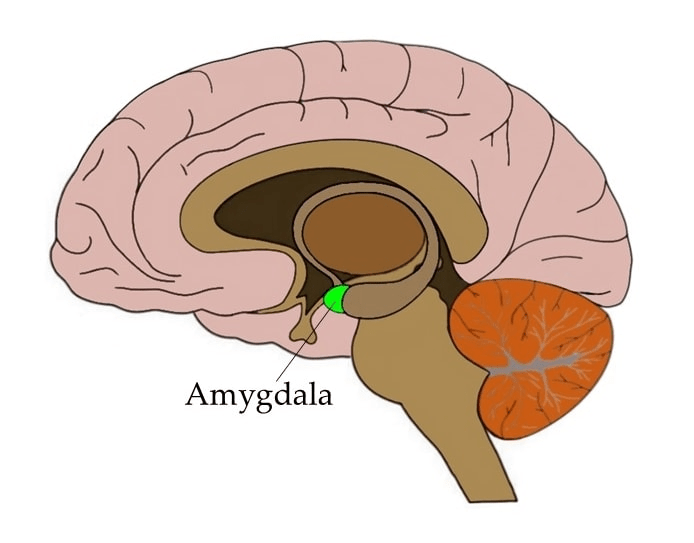
When you are in a state of anxiety, you are mainly operating from the amygdala (a part of your brain).
The amygdala’s job is to make sure you’re safe. Obviously, the way to keep me safe is by identifying every single thing that is going WRONG in my life. That always makes me feel much better. 😀
There are two ways that can actually make me feel much better… First, stimulating your prefrontal cortex, and second, is making neurotransmitter GABA. A 48-hour fast helps your brain accomplish both of those tasks! And then I never have to worry about whether I should have responded to a text with two smiley faces instead of one!
On a serious note, this type of fasting style can help your brain feel much calmer and less like an alarm system always waiting to go off. I will be trying this and updating you all with my findings.
Immune-Reset Fast (72 + hours)
Also referred to as the “3-5 day fast”. The reason many go up to five days is that at 72 hours in a fasted state, your body regenerates stem cells.
This fast is encouraged if you’re looking to accomplish one of these four things:
Ease a chronic condition;
Prevent a chronic condition;
Alleviate pain and stiffness of relentless musculoskeletal injuries;
Slow down the effects of aging
From what I read, the research done was mainly on chemotherapy patients. What they found is that on the third day of the water fast, damaged white blood cells were destroyed, and new ones emerged stronger and more resilient. The idea of a 3-day water fast can also be taken as a preventive measure. Cancer cells live within us, but what stops us from developing tumours is a well-working immune system. When mental, physical, or chemical stressors override our immune system, this is where chronic conditions and diseases can arise. Doctors believe that doing a 3-day water fast a couple of times a year gets rid of any cancer cells that might be building up in your body.
Due to this, triggering the production of stem cells allows your body to identify any injured part of your body, including musculoskeletal injuries such as arthritis. That’s the power of a long fast.
Lastly, stem cells also turn back the hands of time. A lot of fasters who want anti-aging effects go a few days past the 72-hour mark, giving their body as much of a stem cell surge as possible for healing.
With that said, I believe that no matter what you choose to implement in your life for the first time, you should also treat yourself as a beginner. Take your time and learn as you go. The goal of fasting is to find your unique groove with it. Matching it to your health goals, lifestyle demands, and hormonal needs is key.
In the next chapter, we will understand metabolic switching on a much DEEPER level. Not only understanding metabolic switching but learning how to switch between energy systems will give you the power to level up your health, but help you find a rhythm with your fasting lifestyle that will serve your personal health goals best.
After reading this chapter, I challenge you to think of what kind of fasting type you’d like to try based on your specific goals.














Leave a Reply