The 30-Day Fasting Reset (Chp. 8) by Amanda Burke
One of the biggest lessons I took away from Chapter 8 of Fast Like a Girl is that healing hormones isn’t about restriction—it’s about strategy. For years, many women have been taught to either constantly diet, constantly fast, or constantly chase the next health trend. What makes this reset unique is that it teaches us to work with our hormones instead of fighting against them.
The purpose of this 30-day reset isn’t simply weight loss, although many women experience that as a side effect. The real goal is metabolic flexibility, hormone balance, improved energy, reduced inflammation, better insulin sensitivity, enhanced mental clarity, and giving the body the opportunity to repair itself naturally.
Dr. Mindy emphasizes that women are not small men. We cannot follow the exact same fasting protocols every day of the month and expect optimal results because our hormones are constantly changing. What works one week may actually work against us during another phase of our cycle. This realization completely changed how I view fasting.
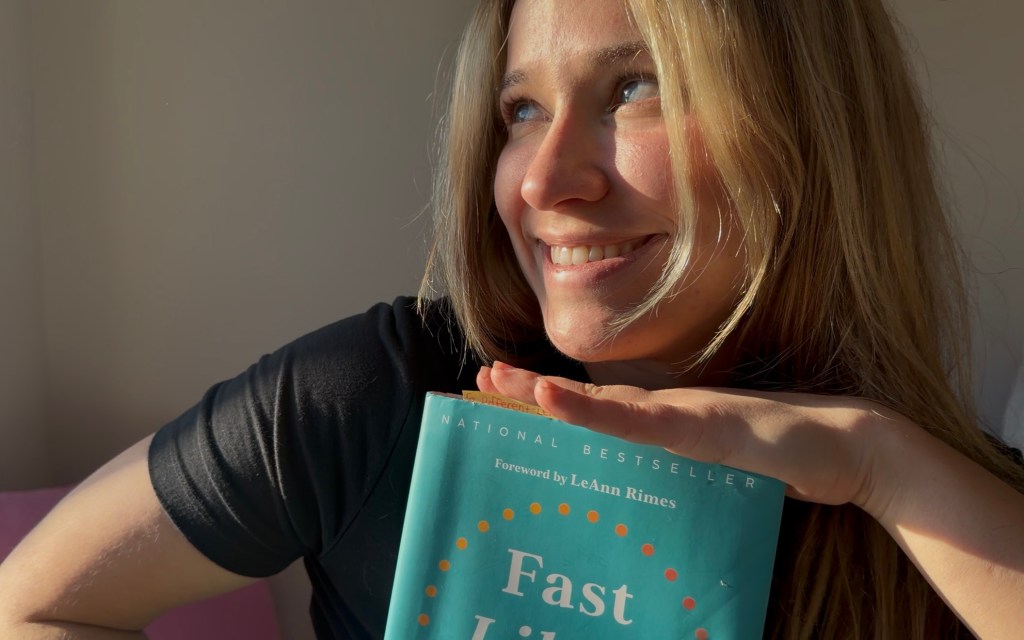
This isn’t just a recap of chapter 8, but rather a greater insight into my own experience and twist to what I believe will work beautifully together to provide you with the most wisdom and guidance to your menstrual cycle and journey.
If you clicked on this blog, chances are you’re trying to gain control over your weight, hormones, or just overall health and well-being. And I’m here to do it with you.
Here’s everything we’re gonna cover here today:
- The three essential criteria you need for a 30-day fasting reset
- The two-week pre-reset, if you haven’t fasted before
- How to use the fasting cycle
- How to time your fast to your cycle, even if you don’t have a cycle
- Who is this reset for?
- Tips for succeeding at your reset
- When to start your reset
- Tools to keep you on track
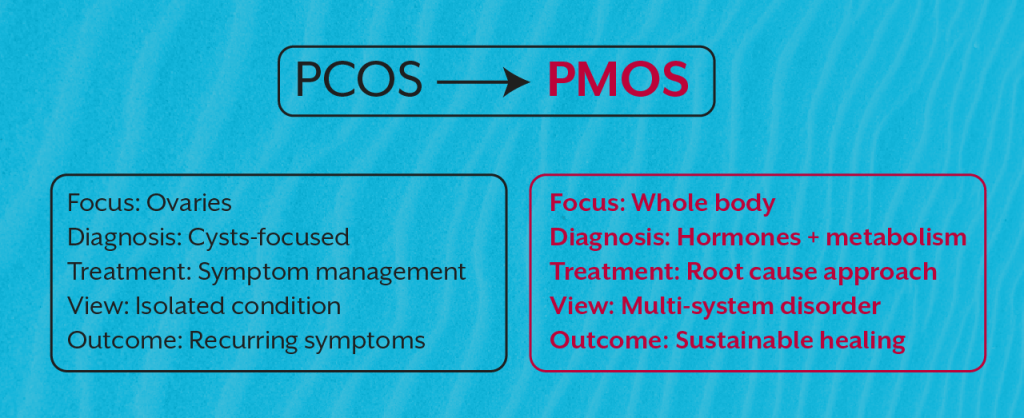
And then my last announcement was that they recently changed “PCOS” to “PMOS,” Polyendocrine Metabolic Ovarian Syndrome. This is because Polycystic ovarian syndrome does not actually cause abnormal ovarian cysts. The old name made people wrongfully assume it was only a localized, gynecological issue. In reality, it is a complex systemic disorder involving multiple hormone systems (polyendocrine) and severe metabolic impacts (metabolic), such as insulin resistance and heightened diabetes. Just wanted to keep everyone updated. 😉 Now we can get into it!
Why Variety Matters
The first essential criterion of the reset is incorporating a variety of fasting lengths.
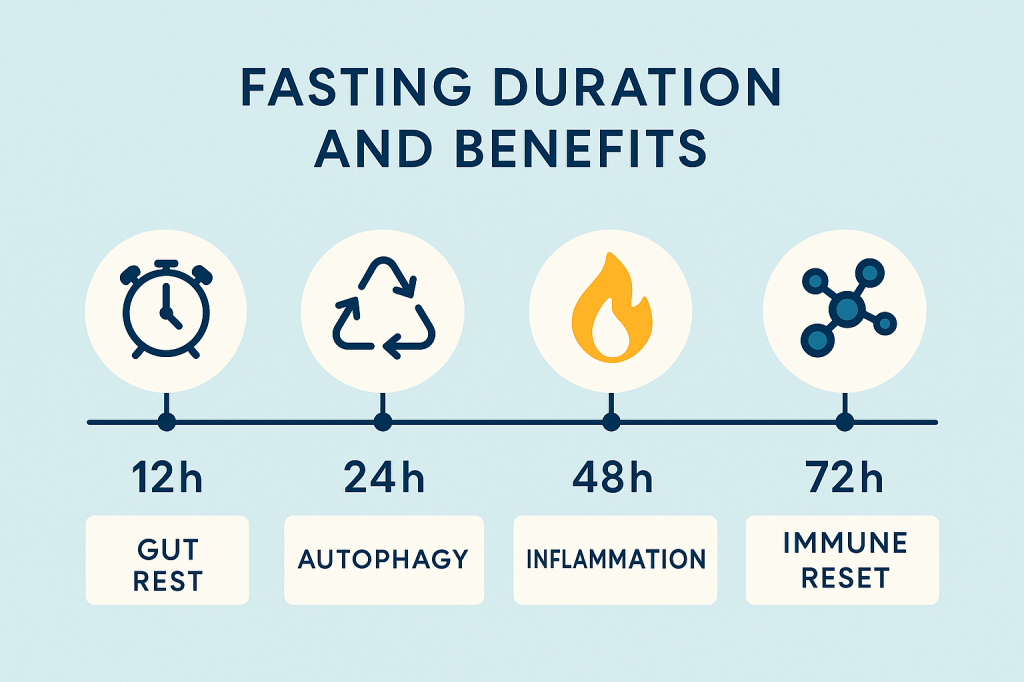
Our bodies are incredibly adaptive. If we do the exact same fasting window every single day, eventually our body becomes efficient at that routine, and many of the deeper healing benefits begin to diminish. By alternating fasting lengths throughout the month, we continually challenge the body in healthy ways.
Some days may include a simple 13-hour fast. Other days may include 15 hours. As your body becomes more metabolically flexible, you’ll incorporate 17-hour autophagy fasts and potentially longer fasts depending on your goals and experience.
Each fasting length activates different healing pathways. Shorter fasts help improve insulin sensitivity and blood sugar control, while longer fasts stimulate autophagy, the body’s natural cellular clean-up process. Autophagy is often described as the body’s internal recycling system, helping remove damaged cells and create healthier new ones.
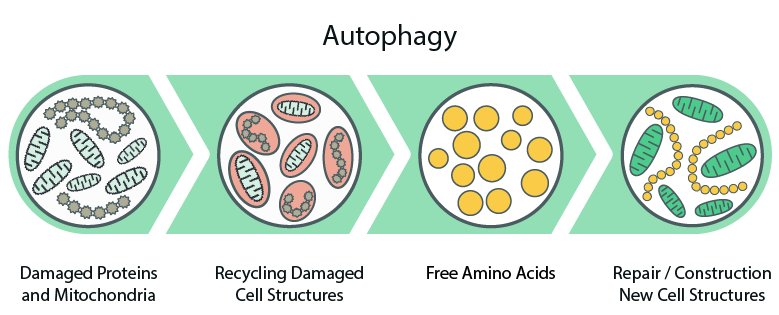
Instead of thinking of fasting as “eating less,” I now think of it as creating opportunities for my body to perform important maintenance and repair work.
The Importance of Timing
The second criterion is timing your fasts according to your menstrual cycle.
This is where so many women unknowingly sabotage their progress.
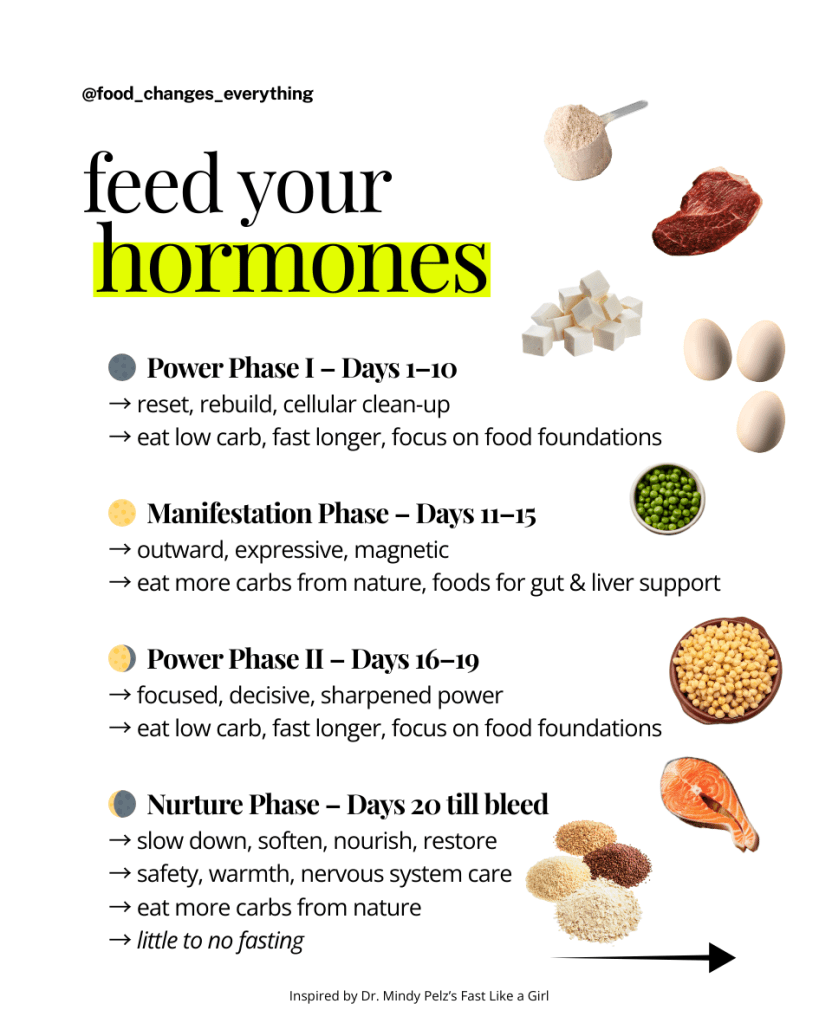
During the first half of the menstrual cycle, estrogen is rising. This hormone tends to make fasting easier because it supports insulin sensitivity and helps the body access stored fat more efficiently. This is often the ideal time to incorporate longer fasts.
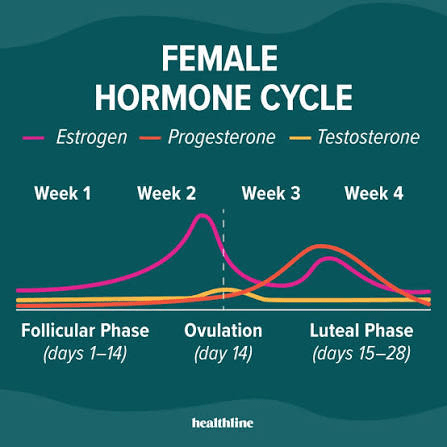
However, after ovulation, progesterone begins to rise. During this phase, the body naturally requires more calories and additional nutritional support. Continuing aggressive fasting during this time can create unnecessary stress and may actually disrupt hormone production.
This was one of the most eye-opening concepts for me. Instead of forcing myself to maintain the same fasting schedule every day, I learned to view my cycle as a roadmap.
Some phases are designed for deeper fasting.
Other phases are designed for nourishment and rebuilding.

Feeding Hormones What They Need
The third criterion is supplying your body with the nutrients and neurochemicals your hormones need to thrive.
What we eat during our eating windows matters just as much as when we fast.
Dr. Mindy discusses the importance of consuming nutrient-dense foods that support hormone production, neurotransmitter balance, detoxification pathways, and metabolic health.
This means focusing on:
- High-quality proteins
- Healthy fats
- Fiber-rich vegetables
- Mineral-rich foods
- Foods that support gut health
- Foods that support estrogen metabolism
At the same time, reducing inflammatory foods becomes essential.
This is why the reset encourages eliminating:
- Refined sugar
- Refined flour
- Industrial seed oils
- Artificial ingredients
- Excessive processed foods
- Alcohol
With that said, don’t be hard on yourself during this process. Fall in love with the journey of learning and being curious about your body. Don’t let yourself fall in the traps of perfectionism.

The Two Food Styles
Throughout the reset, there are two primary eating approaches:
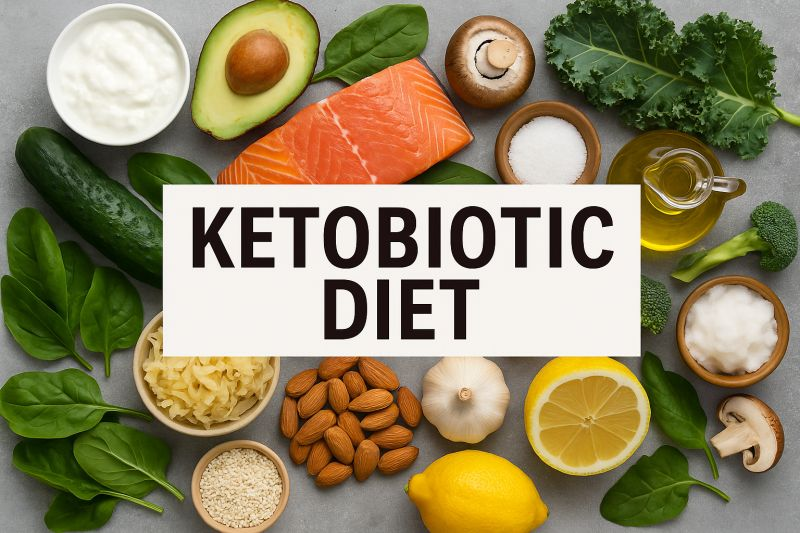
Ketobiotic Eating
Ketobiotic eating combines principles of ketosis with foods that support the gut microbiome.
This approach focuses on healthy fats, clean proteins, non-starchy vegetables, fermented foods, and fiber-rich plant foods.
The goal is to help the body become efficient at burning fat while simultaneously nourishing beneficial gut bacteria.
A healthy gut influences everything from hormone regulation to immune function and mental health.
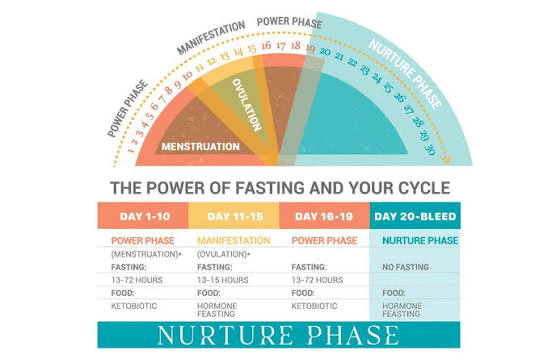
Hormone Feasting
Hormone feasting is one of my favorite concepts because it completely challenges the “eat less” mentality.
There are specific times during the menstrual cycle when women are meant to eat more.
Hormone feasting involves increasing nutrient intake, particularly healthy carbohydrates and hormone-supportive foods, during the second half of the cycle when progesterone is rising.
This signals safety to the body and provides the building blocks necessary for hormone production.
The Two-Week Preparation Period
If you’re completely new to fasting, Dr. Mindy recommends spending approximately two weeks preparing before beginning the full reset.
This preparation phase focuses on:
- Eliminating sugar and processed foods
- Reducing snacking
- Gradually increasing fasting windows
- Becoming fat-adapted
- Stabilizing blood sugar
Think of it as training before a marathon.

Jumping into longer fasts immediately can feel overwhelming if your body is still heavily dependent on frequent carbohydrate intake for energy.
The preparation phase allows the transition to happen more smoothly.
Who Is This Reset For?
In my opinion, this reset can be incredibly beneficial for women who are experiencing:
- Weight loss resistance
- Insulin resistance
- PMOS/PCOS
- Fatigue
- Brain fog
- Hormonal imbalances
- Irregular cycles
- Perimenopausal symptoms
- Poor metabolic health
- Chronic inflammation
Of course, anyone with underlying medical conditions should consult a qualified healthcare provider before beginning any fasting protocol.
Tips for Success
The biggest takeaway I have is not to focus on perfection.
Focus on consistency.
Your cycle won’t look exactly like someone else’s.
Your fasting journey won’t look exactly like mine.
There may be days when you need to shorten a fast.
There may be phases where your body asks for more nourishment.
Listen to those signals.
Track your cycle.
Journal everyday.
Stay hydrated.
Prioritize sleep.
Support your nervous system.
Manage stress.
And most importantly, remember that fasting is not about punishment.
It’s about creating periods of rest so your body can do what it was designed to do: heal, repair, balance, and thrive.

The 30-day reset isn’t a quick fix. It’s an opportunity to reconnect with your body’s natural rhythms and learn how to work with your hormones instead of against them. For me, I’m looking forward to journaling my findings every single day, how I feel during my fasts, and any changes that appear. It’s a great way to keep myself accountable and also more aware of my body’s signals it might be trying to communicate with me.
Regardless if this changes my life completely or doesn’t move things forward by an inch, I’m already reaping the benefits by simply being more attuned to my body and tracking what I do day to day.

 Mental wellness collective
Leave a comment