Women should approach fasting differently than men, varying it according to their monthly hormone fluctuations.
If, up to this point, you have looked at your menstrual cycle as just some bothersome event, I challenge you to rethink the magic that is happening in you every month. In this chapter, we’ll revisit how the menstrual cycle works and explore the role of your hormones in greater depth. By developing a deeper understanding of your cycle, you’ll be able to connect with your body in a more informed, empowered, and refreshing way.
Our menstrual cycles are rarely discussed in a positive light or looked at as a healthy point.
But your menstrual cycle is truly a miraculous symphony of neurochemical responses that work in perfect harmony for your reproductive benefit. Without a proper understanding of our menstrual cycles, our hormones suffer, which means our whole body suffers.
When you learn to fast like a girl, you bring synergy back to these beautiful neurochemicals that serve you so well.
The first thing to know is that every woman’s menstrual cycle is unique. All women have different-length cycles. Most women’s cycles last around 28 days; some are shorter, while others can go as long as 30-plus days. Secondly, your hormones rise and fall throughout. This is important because you will feel different emotionally and physically at different times of the month because of the rise and fall.
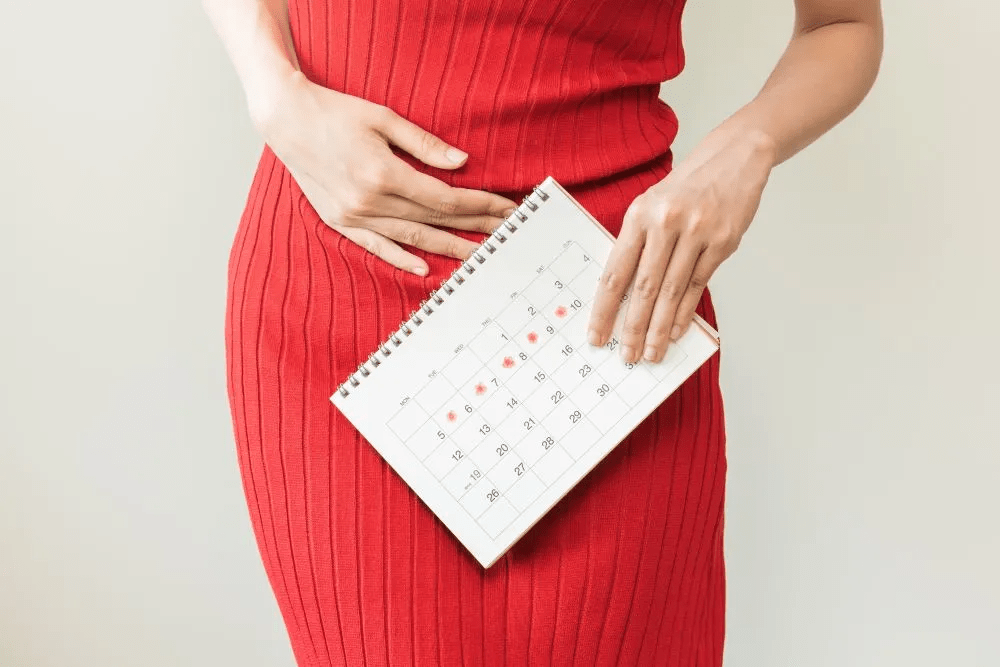
YOUR MENSTRUAL CYCLE
Day 1-10
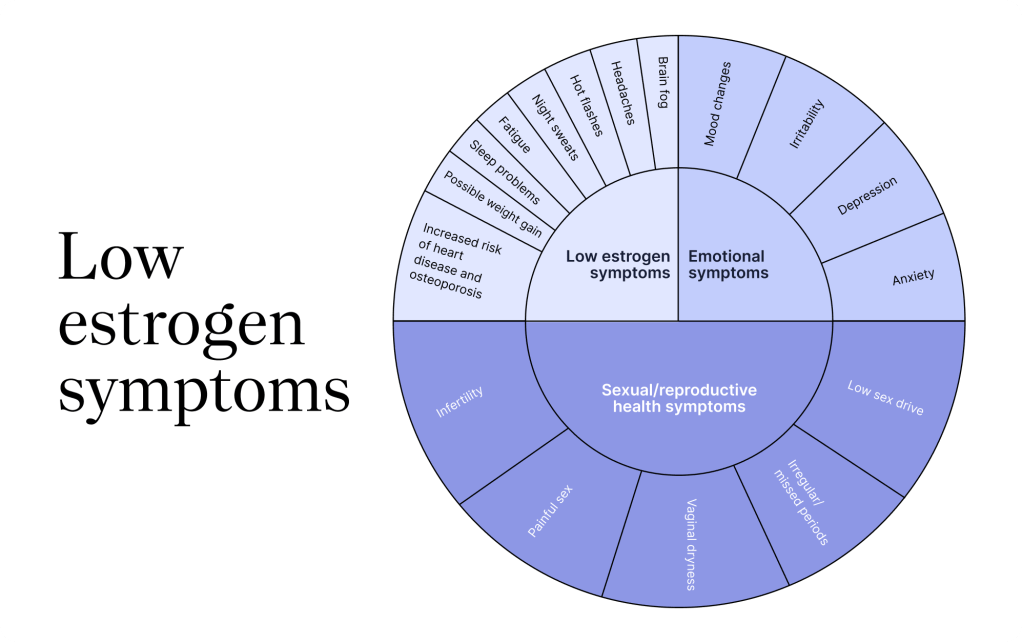
On day one of your menstrual cycle, your 3 major sex hormones are at their lowest: estrogen, progesterone, and testosterone.
As a woman, it’s important to understand the role and effects of these particular hormones. Within a few days after your cycle has started, your hypothallamus (the part of your brain responsible for coordinating hormone production) begins to pulse hormones you need for your ovaries to release an egg. This pulsing of key hormones causes estrogen to slowly build until it reaches its “peak” somewhere mid-ovulation (around day 13).
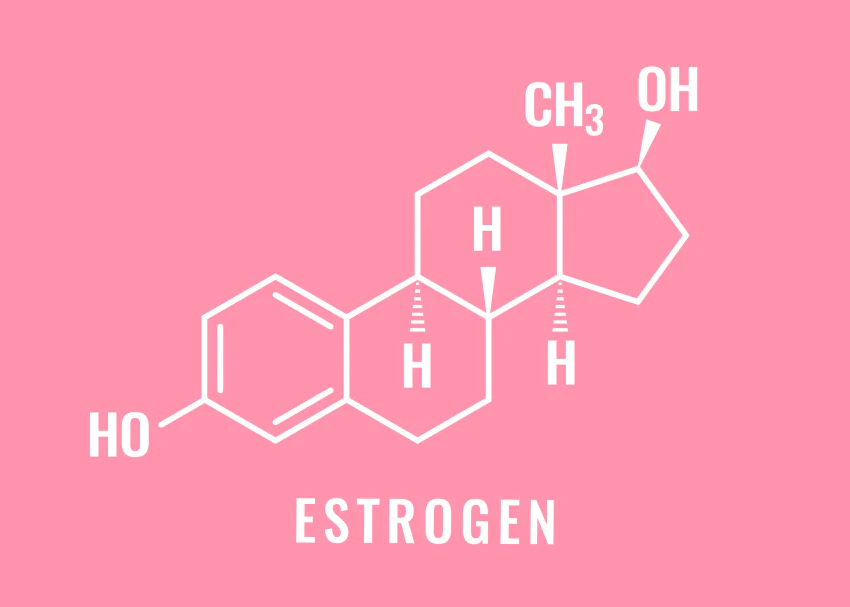
As your estrogen slowly builds, you will notice several things happen to you physically and mentally. Estrogen contributes to the production of collagen. Collagen is a protein that keeps your skin young. That is why, as you get older and your estrogen begins to drop, you start to look older.
Estrogen also puts you in a good mood, gives you mental clarity of thought, enhances your communication skills, and makes you feel more optimistic about life. And that’s because estrogen is the precursor for serotonin, dopamine, and norepinephrine: the neurotransmitters that keep you calm, happy, and feeling satisfied. Estrogen also calms the fear centers of your brain. It gives you a greater ability to handle stressful events with more ease!

Day 11-15
This is known as your ovulation period. Your star players that affect ovulation are estrogen and testosterone. The physical and mental benefits of estrogen start to build, while the addition of testosterone can make you feel powerful and strong during this five-day window. You might notice during this time that you feel motivated, driven, and energized. This is the best time to start a new project, have that difficult conversation, or hit a new PR at the gym.
Days 16-18
This is where all your hormones DIP. You will feel very much like you do the first week of your cycle, with one major exception: your body isn’t preparing to make estrogen. Your body is preparing to make progesterone. During this time, you might feel a dip in your mental clarity.
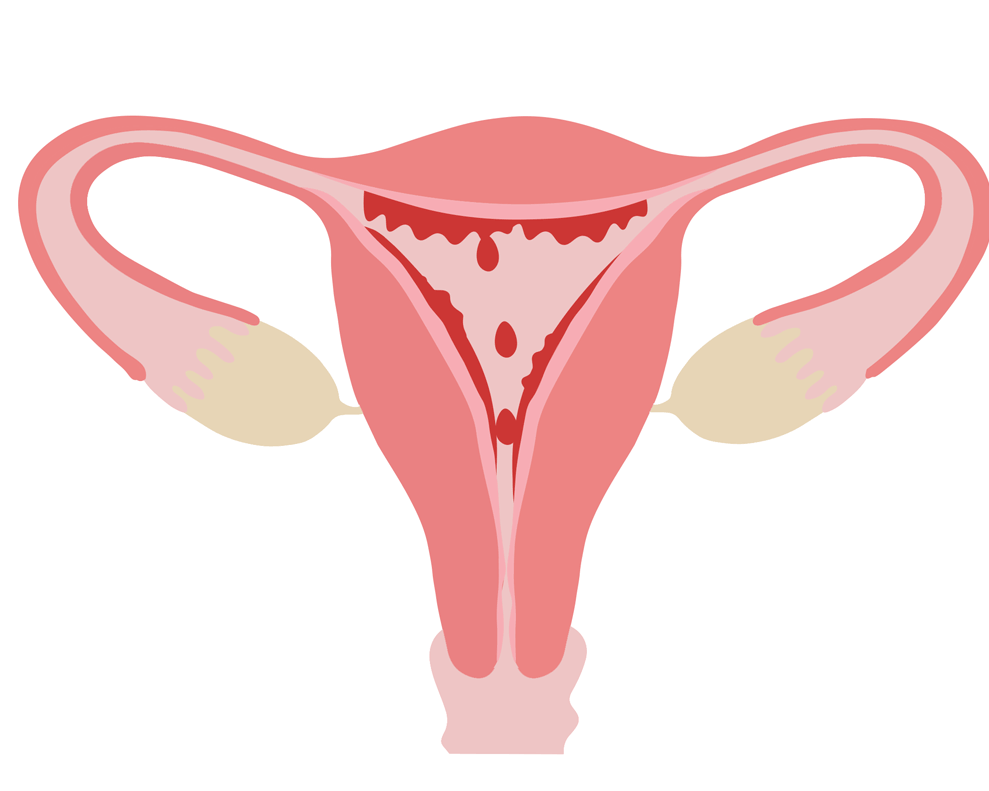
Day 19- Bleed
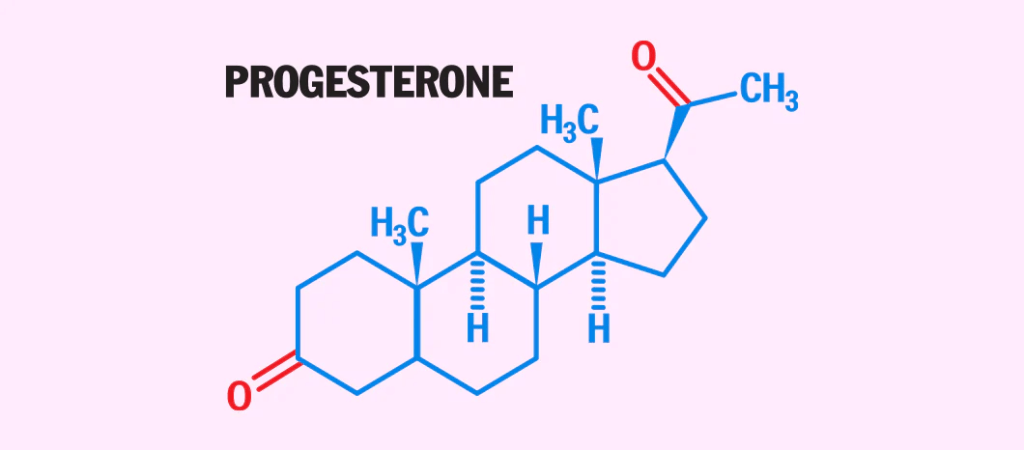
This is when your body produces progesterone. During this time, you will feel less aggressive, less irritable, and more like you want to sit on the couch and do nothing rather than go out and socialize.
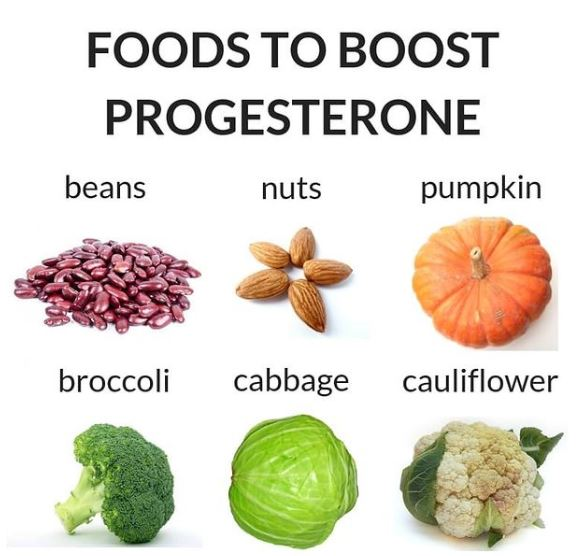
Progesterone’s job is to prepare your uterine lining for a fertilized egg to implant post-ovulation. Depending on when you ovulate, your progesterone levels usually hit their peak 6-8 days after ovulation.
This next part’s important! Progesterone is influenced by cortisol. If estrogen thrives when insulin is low, progesterone thrives when cortisol is low. There is a precursor steroid hormone called DHEA. It is used to make all kinds of hormones, not just progesterone. And when your body is undergoing too much stress, your cortisol will be prioritized over producing progesterone. This delay in prodcution causes missed cycles, days of spotting, increased irritability, and trouble sleeping.
Therefore, it is not encouraged to fast the week before your period, as even healthy stressors such as fasting, ice baths, or HIIT, can tank your progesterone.
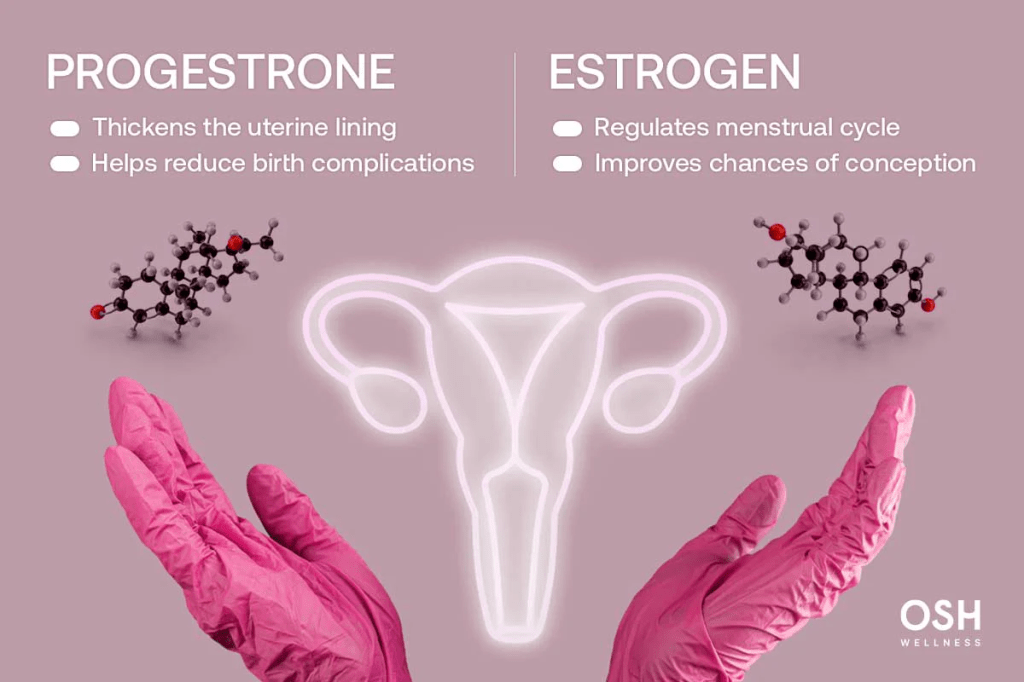
Estrogen and progesterone, although both sex hormones, require different behaviours from us. Estrogen really suffers when glucose and insulin are high, while progesterone suffers when cortisol is high, but actually requires more glucose in your bloodstream to fully develop to the levels that are necessary for your period to start.
Why do we need to fast differently?
We are complex and brilliantly designed. Men are hormonally simpler. They have a 24-hour hormone cycle with one main hormone: Testosterone. Moving in and out of their bodies every 15 minutes. Men don’t have estrogen and progesterone rising and falling every month. Where a man can fast in a similar fashion every day of the month, we women need to pay attention to four distinct times within our monthly cycle… and we also need to look into three important and uniquely female features as we fast differently than men:
- The power of our hormonal hierarchy
- Fluctuations in our sex hormones
- The impact of our toxic loads
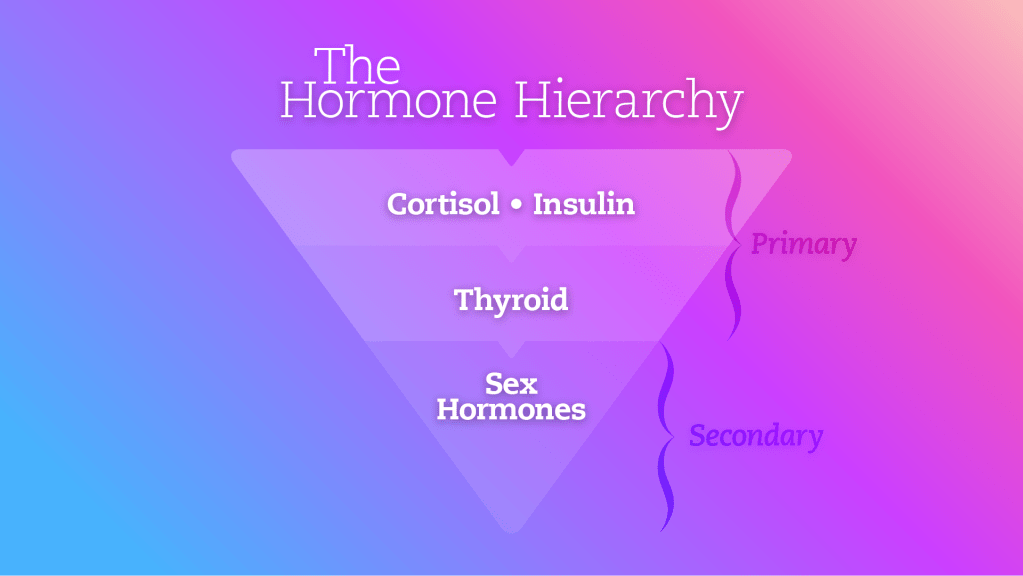
The Power of our Hormonal Hierarchy
If you take a look at the photo above, you can see that Cortisol and Insulin rule all the major hormones. Thyroid hormones fall behind, and sex hormones fall last.
But the Queen Hormone above all others is Oxytocin. The hormone Oxytocin calms cortisol. When cortisol spikes, this causes an increase in insulin, and surges insulin to have a direct effect on your sex hormones estrogen, progesterone, and testosterone.
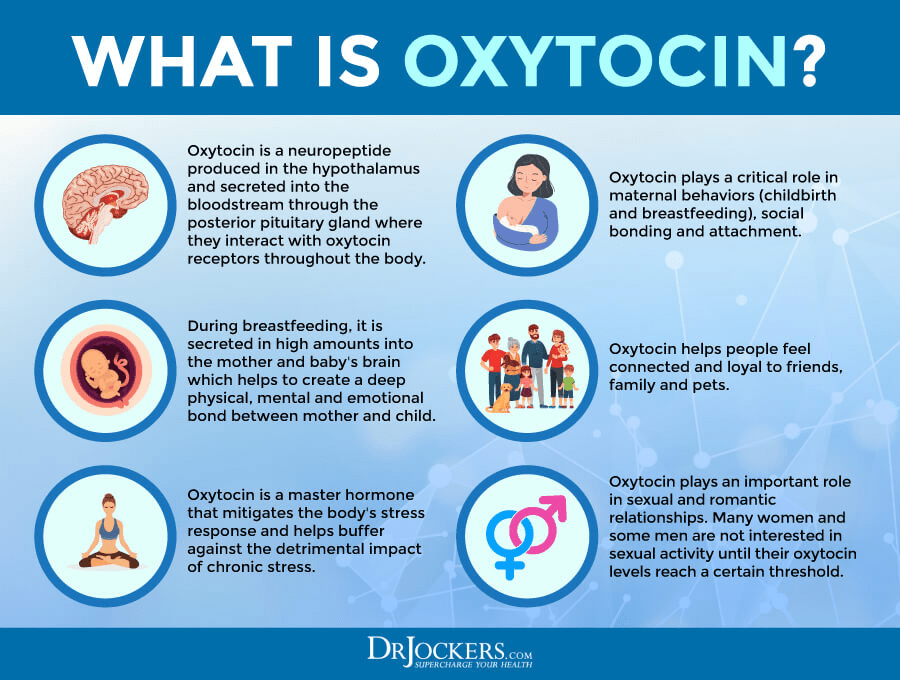
You have two areas in your brain (the hypothalamus that receives hormonal information from your endocrine organs and uses the info to tell the pituitary gland what hormones it needs to make). The pituitary gland then takes that instruction and sends a hormonal signal back to your endocrine organs to signal what hormones are still needed.
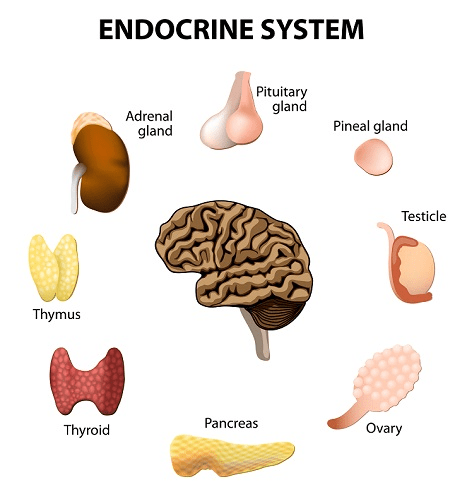
So when your body has a spike of cortisol, a surplus of glucose, or maybe a deficit in estrogen, it communicates to the pituitary gland on what hormones are needed.
And because our hormones work in order of hierarchy, if the hypothalamus receives cortisol signals from your adrenal glands, it tells the pituitary gland that we have a crisis on our hands. The pituitary gland starts sending signals to the pancreas to get ready because glucose is about to be released by the tissues. The pancreas responds by releasing more insulin.
Your hypothalamus turns hormones on or off depending on their critical need, so if you are constantly stressed in your day-to-day life, this could be directly impacting your menstrual cycle.
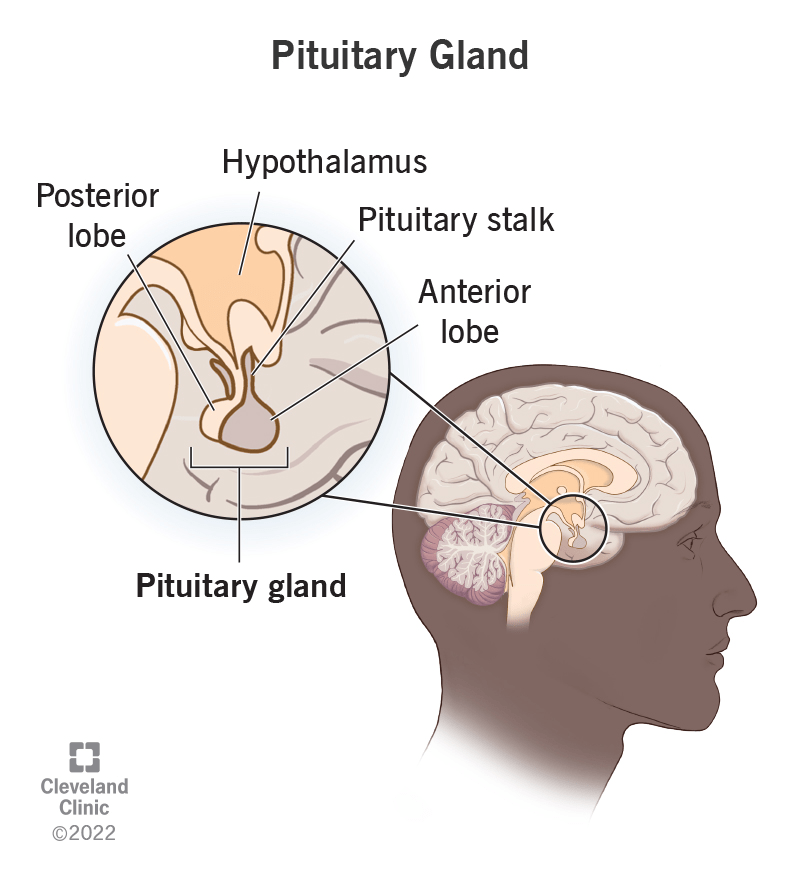
When insulin spikes in the body, that signal goes back up to the hypothalamus, which tells the pituitary gland to shut off the production of estrogen and progesterone because the crisis is still brewing. From an evolutionary standpoint, there is no need to procreate when you are in survival mode, so these sex hormones become unnecessary to your survival.
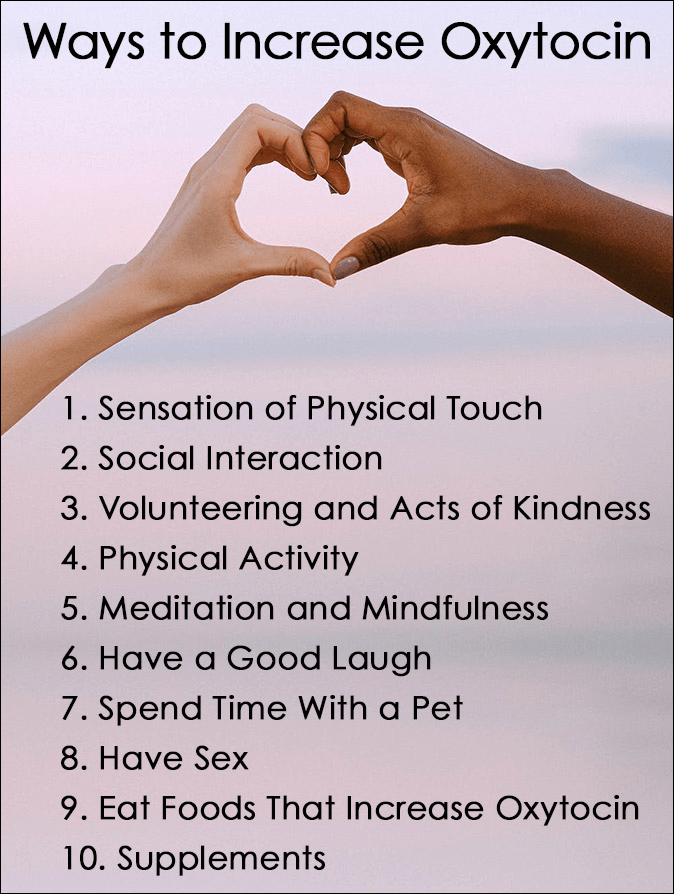
Now, the key to diminishing this ripple effect of cortisol, oxytocin needs to be present. Oxytocin is above any other hormone, and when that hormone is present, your cortisol dissolves. The minute your brain receives oxytocin, the hypothalamus turns off cortisol, leading to better glucose management, a reduction in insulin, and a rebalancing of sex hormones. One key hormone brings the whole system back to balance.
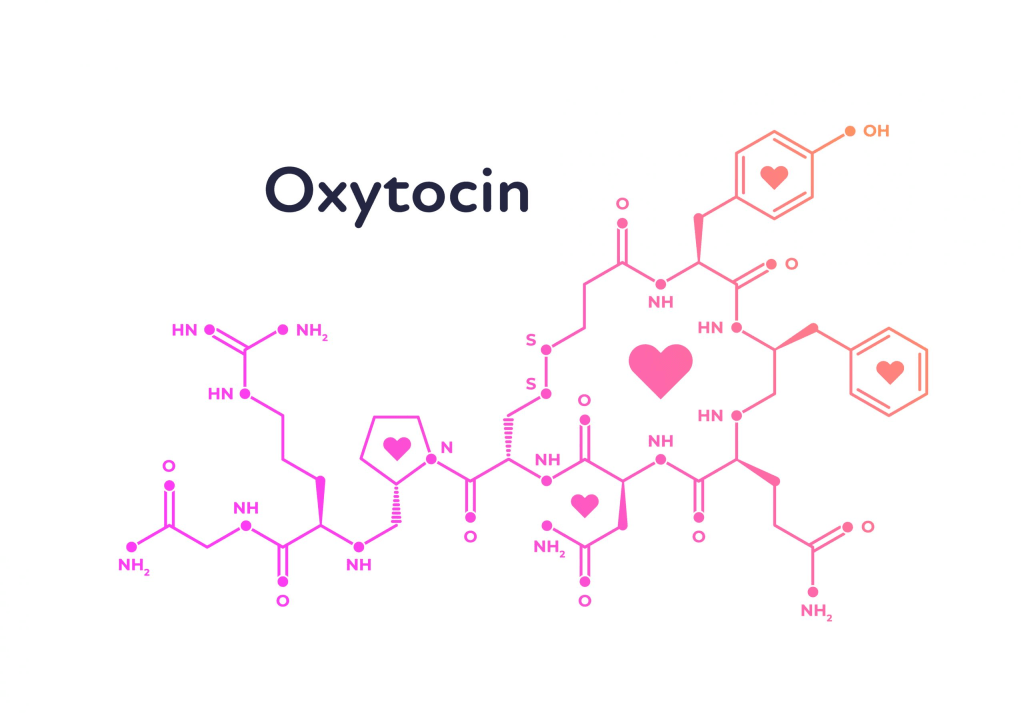
If a woman is under chronic amounts of stress, mixed with being insulin resistant, balancing her sex hormones will be a dead-end street.
To truly get to the root cause to any hormonal challenge, you must take this hormonal hierarchy into consideration. Hormonal imbalances such as PCOS, infertility, or unmanageable menopause symtoms, must address the hormonal hierarchy. Meaning figuring out how to stimulate the production of oxyticin, so that your stress levels can come down, and so your body feels that you are safe.
With that said, trying to figure out how to reduce your cortisol levels and finding that inner “zen” is so much easier said, than done.
All my life, i’ve struggled with the challenges of keeping my cortisol levels low, and for a long time unknowingly.
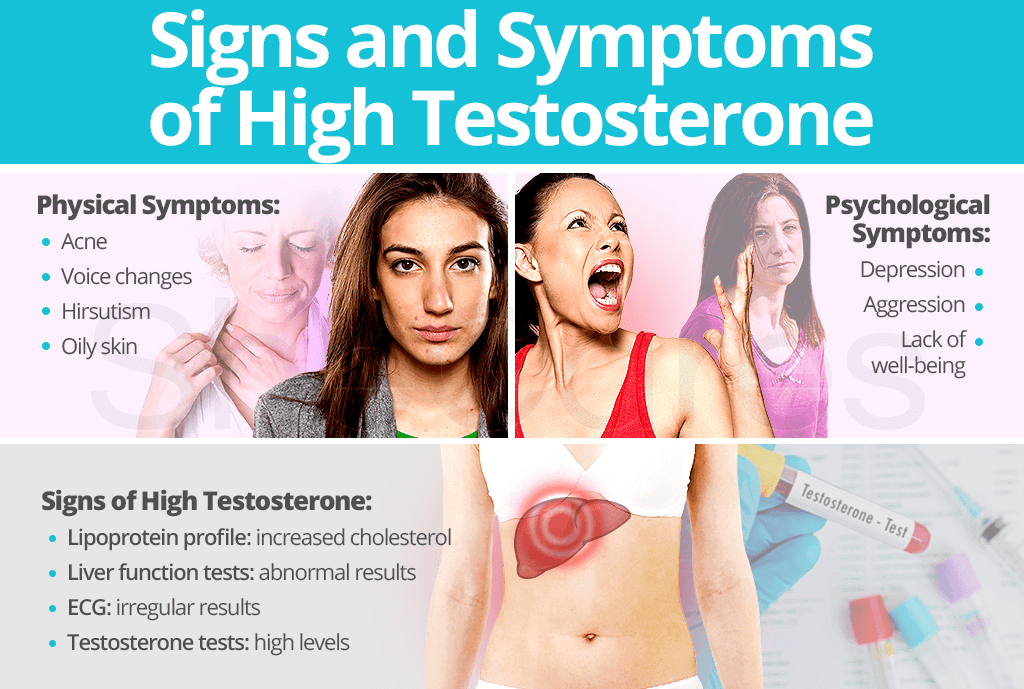
When I was young, I thought that maybe my inner drive, ambition, and determination came from my father who was a successful business man. Or maybe it was because I was born in January, and Capricorns are supposedly supposed to be strong and driven. I later on discovered in my 20’s that I have PCOS and the real reason why I always had so much drive was because of my higher levels of testosterone that gave me excessive hair growth, constant irritability in my menstrual cycle, delayed and missed cycles, painful ovulation days, paiful periods, BUT also lots and lots of motivation and confidence! I just love understanding the why behind our bodies. Because there’s a reason for everything. So if your blood test comes back with higher levels of testosterone, congrats, free natural gym steroids lol.
I was always trying to figure out how I can start working and make money, be better in school, and make myself more successful. No matter what I put my mind to, I always set unrealistic expectations of my self that led to a lot of pressure to do it perfectly. When I failed to get the certain mark on a test, finish a project in time, execute my shot on net in sports, I spoke terribly to myself.
I was not only dissapointed in my ability, I was shaming myself. For years, I wore my own self-esteem down to the floor. It was a disease centered around perfectionism and negative self-talk.
This was a reocurring theme in my life for a whole decade. When you spend years behaving this way, eventually it becomes unconscious thoughts and you don’t even realize how much you do it. I read a book “I thought it was just me (but it isn’t) by Brene Brown, and it opened my eyes to what was really happening to me.
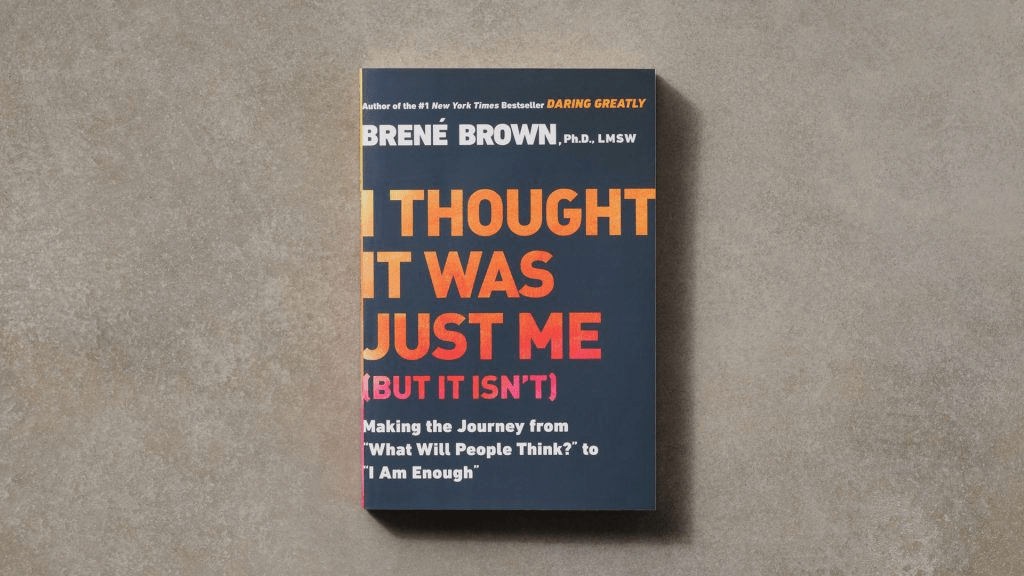
If I were to describe the voice that spoke to me, I would tell you that they are mean, horrible, and cruel. This also took years to get rid of that voice. It wasn’t just an easy fix where you can stop doing it. You contiuously catch yourself, and then sometimes you even shame yourself when you do. It’s a vicsous cycle that took many years to demantle in my brain.
This behaviour had a direct effect on my cortisol because I was contantly putting high demands on myself to succeed, always putting to much on my plate, feeling this sense of pressure, always feeling like i’m racing against the clock, and always overwhelmed, stressed, and dissapointed in myself.
When you live like this, there is no room for love, happiness or safety in your body. And for many years this played a huge role with my sex hormones. I was commonly experiencing delayed menstrual cycles, increased irritability, depression, anxiety, and low-self-esteem.
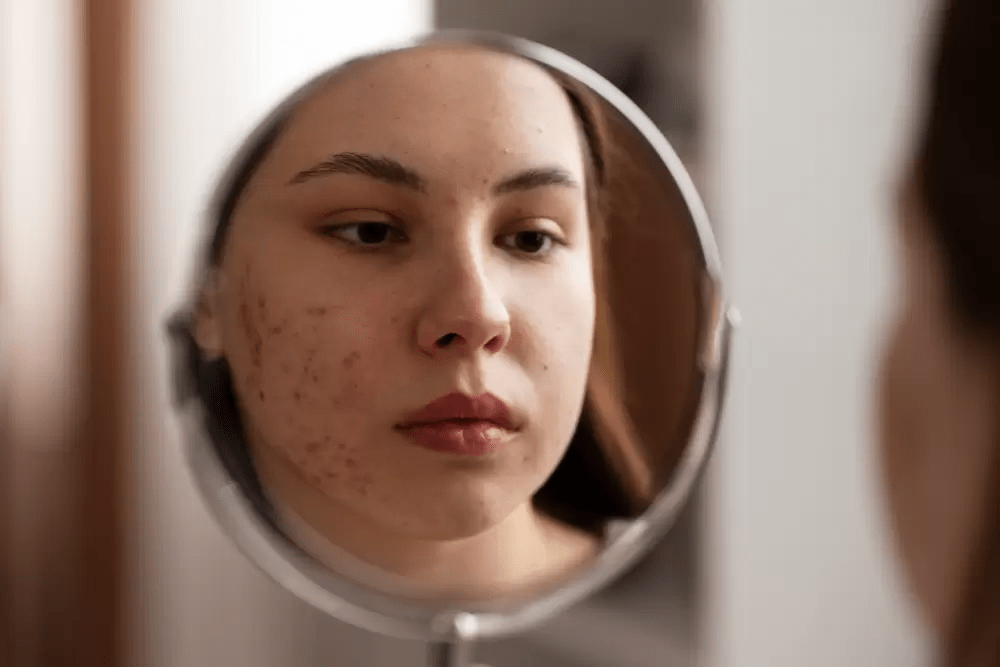
So girls, I know what i’m asking you to do isn’t easy. Fixing your “stressed life” can be much more complicated than people think. Whatever has got you rushing out the door, drained, and stressed needs to be addressed, and you need a long-tern supportive goal that will help you fix that. The quicker you can find ways to trigger oxytocin, and reduce your cortisol, the easier life will feel. You’ll be able to lose weight easier, feel less stressed, or stop experiencing those crazy hot flashes during menopause.
And the great news is, fasting can help you unwind the negative effects of cortisol plays on your body, and improve the production of neurotransmitters that calm you, helping you combat stress with more grace.
What is pivotal to understand is that in a one-month menstrual cycle, there will be times when fasting feels effortless and times when fasting feels difficult!
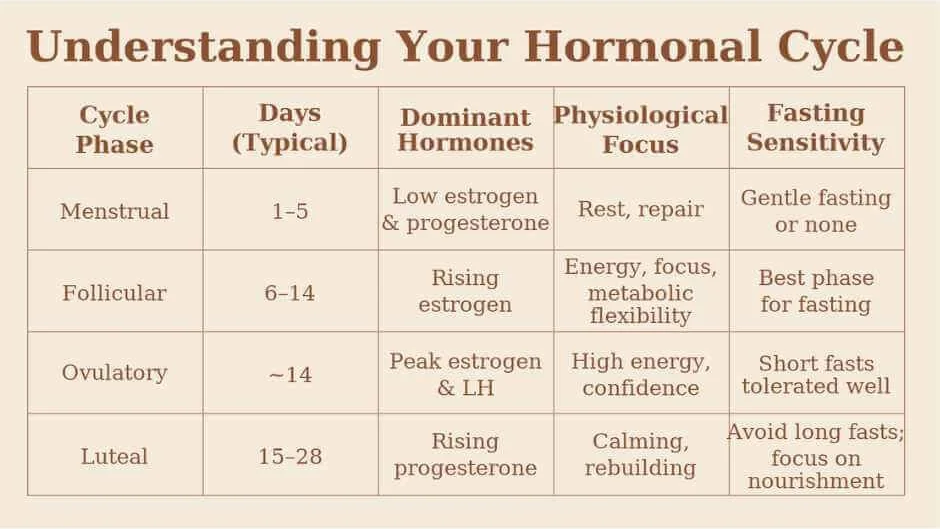
Estrogen loves when you fast. The longer the fast, the better. In the beginning of your cycle, when estrogen is building (Follicular phase), any of the fasts will be great.
The reason why estrogen thrives when glucose is low is that estrogen and insulin have what I’d call a dance battle. When one is dancing, the other one is not. They take turns. Therefore, if you are spiking your blood sugar with glucose, your pancreas will detect that and begin releasing insulin. So, if you are fasting when estrogen is rising, you are supporting your hormone estrogen more!
If insulin stays high consistently, it alters the pituitary gland in your brain to stop releasing estrogen from your ovaries. This is a common scenario for women who struggle with infertility: high insulin and little estrogen production leading to impaired ovulation…
During ovulation, the third sex hormone testosterone surges at full force with estrogen. These two hormones are at their peak during ovulation, and it was studied that no longer than 15 hours is best for fasting. During this time, cortisol can greatly decrease both testosterone and progesterone so this would not be the time to launch a 3-day water fast. But moderate intermittent fasting is accepted.
The most important time to avoid fasting is the week before and during your period. This is when progesterone takes the spotlight and thrives on high-carb diets. If you were to attempt any fast during this time, it could lead to spikes in cortisol, and any signs of cortisol in your body during this time scare away progesterone production. This can often lead to delayed periods or even missed periods.
YOUR THYROID HORMONES…
There is a set of hormones that also need to be addressed in order for you to grasp the full concept: thyroid hormones.
The effects of your sex hormones dipping can trigger hyperthyroidism, causing weight gain, hair loss, fatigue, and depression. Because women are 10x more likely to get hyperthyroidism than men, it is important that you understand how thyroid hormones work.
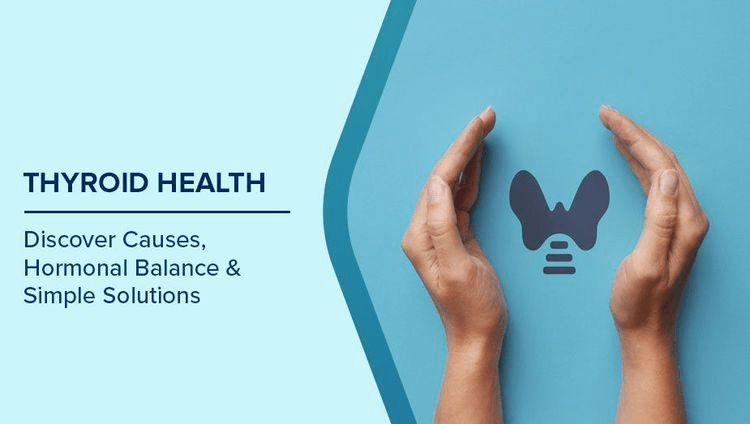
So first of all, your thyroid is a butterfly-shaped gland located in your throat, and it releases thyroid hormones. See the image below.
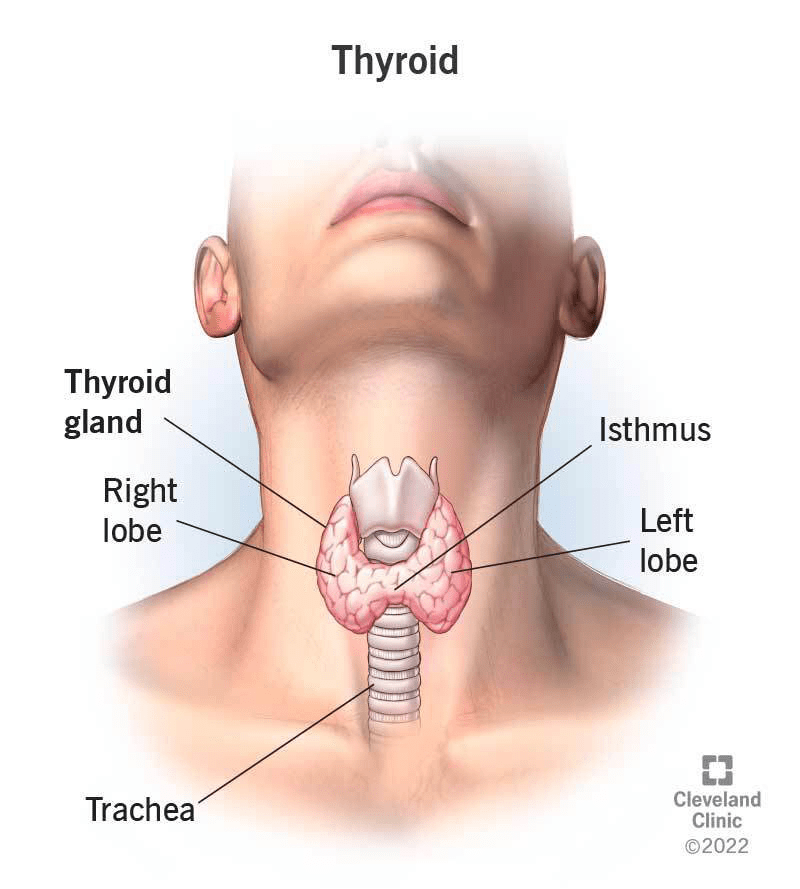
Your thyroid needs 5 organs to work properly: brain, thyroid, liver, gut, and adrenals. Your brain specifically the pituitary gland that sits at the base of the skull, will release TSH (Thyroid stimulating hormone), which travels down to the thyroid and activates it to make a hormone called Thyroxine, or T4.
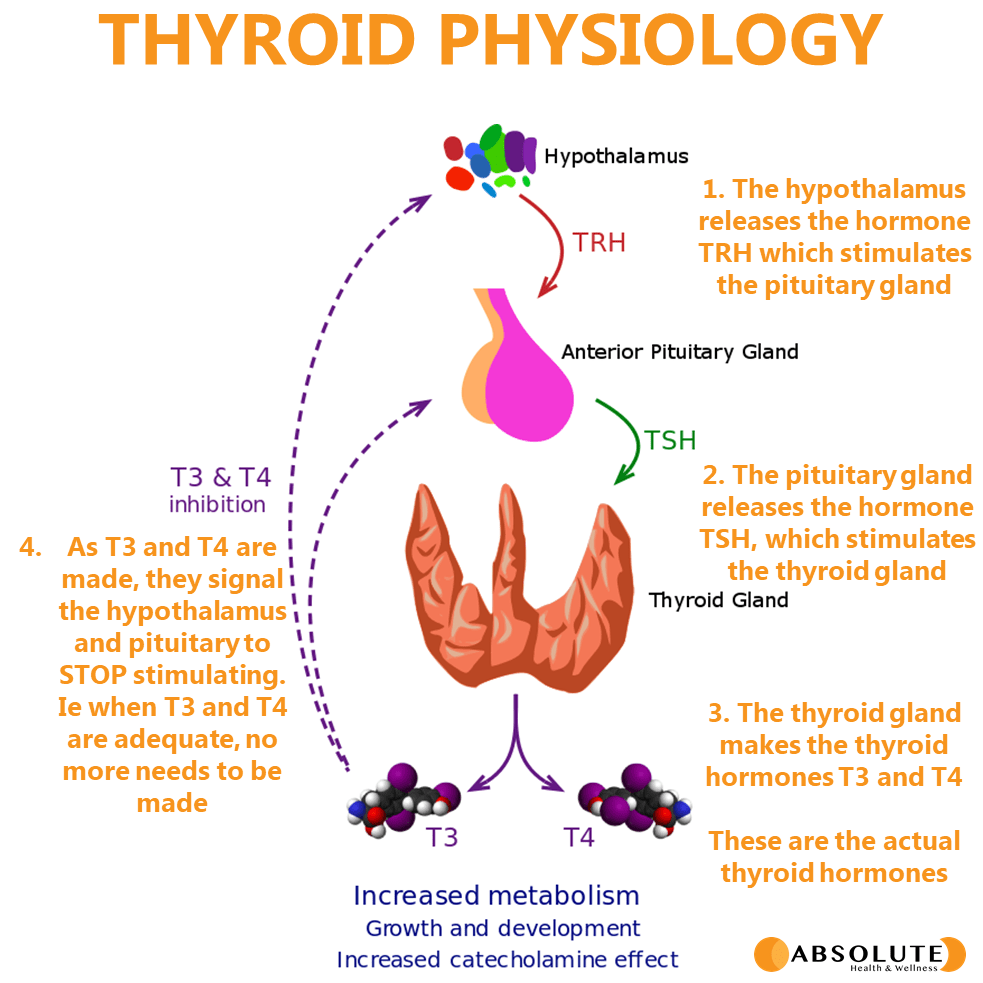
T4 (Thyroxine) travels through the bloodstream to the liver to get converted into ANOTHER version of thyroid hormone called triiodothyronine, or T3. This version can have a direct impact and response on living tissue. Your cells will welcome T3 in and use it for metabolism. What’s important to know about this cascade of thyroid hormone production is that it requires your brain, liver, and gut to be working at their best. Your cells need to be in an optimal state, free from toxins and inflammation, in order to receive proper communication. Fasting supports thyroid health by supporting all of these elements.
THE IMPACT OF OUR TOXIC LOADS…
Lastly, toxins can effect hormones in two ways. First, a well known fast, is that exposure to chemicals in our environment known as endocrine disruptors impacts our hormone production.
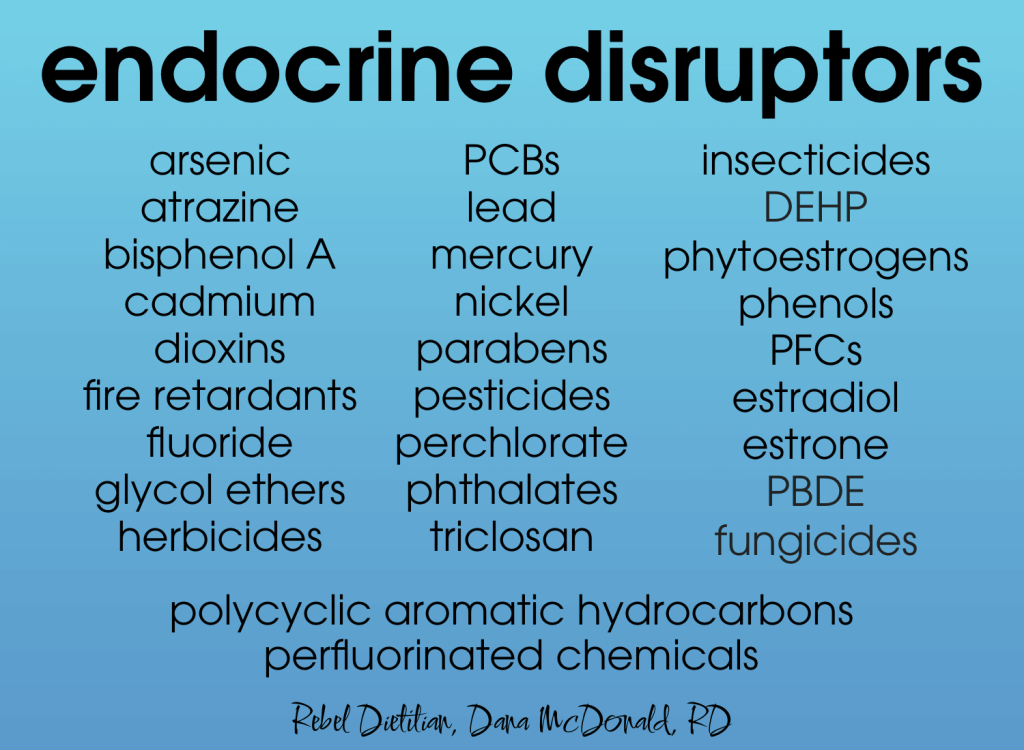
Of the hundreds of man-made chemicals that exist in our world, a thousand of them have been proven to be endocrine disruptors, which down the line can lead to chronic diseases like breast cancer and polycystic ovarian syndrome.
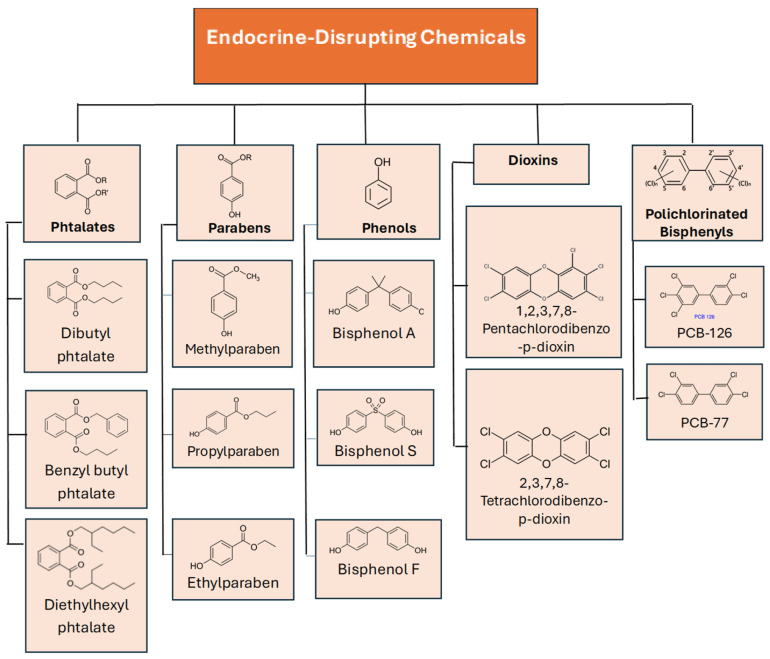
If you want to read an article from The National Library of Medicine, I will share it here: Read More
The second way is not talked about often, is the reverse happening. Huge swings in hormones, specifically estrogen and progesterone, cause the release of toxins stored in a variety of your tissues. Lead is stored in your bones, liver, and lungs. Mercury in your kidneys, liver, and brain. Environmental pollutants are stored in fat tissue. Aluminum in the prefrontal cortex of your brain. When estrogen and progesterone rise, it can trigger these toxins to be slowly released.
So here we are, the third characteristic of the female body: our hormonal surges can cause stored toxins to be released from our tissues, especially during pregnancy.
And here’s where the problem exists. If you are going into longer fasts that stimulate autophagy during the upswing movements of estrogen and progesterone, you may be getting a double dose of toxins released into your bloodstream. During autophagy, cells die, but the toxins within them get released back into the bloodstream, so if you are in the midst of a deep fast, you might experience heavy detox symptoms if you do it before or during your period.
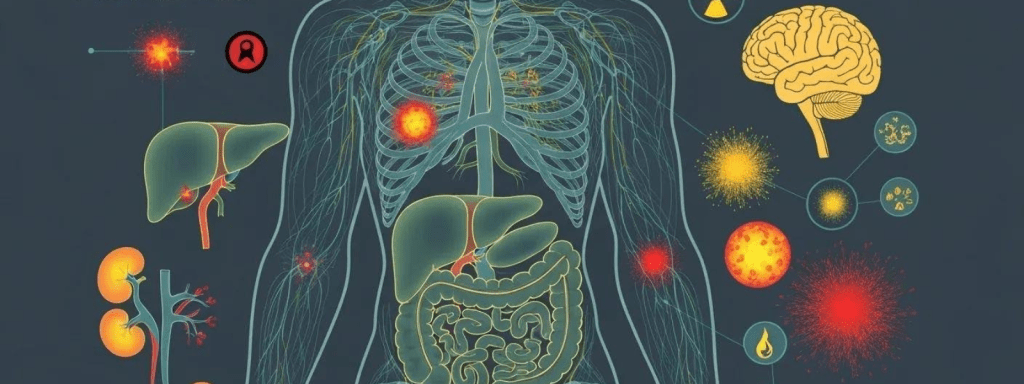
Therefore, it is important to remember that when hormones are high, fasts must stay low!!!!!!!!!!!!!!!!!!!!!!!!!!!!
The sad news is, you can’t just embark on a fasting journey with your male partner because your body requires much different needs and schedules.
If you keep in mind these three principles:
- Fast as long as you want during the beginning of your cycle when estrogen is rising.
- Don’t go longer than 15 hours without eating when you are ovulating.
- Don’t fast during your period or the week before when your hormones are high.

You’ll appreciate all the upsides of fasting without experiencing the negative hormonal consequences that can happen if it is done incorrectly. So now that you have a solid understanding of WHEN to fast, we will learn how to customize the perfect fasting lifestyle that yields the health results you deserve!!!



Leave a Reply