
I’m here to tell you something that took me years to truly take seriously…that is, ingredients matter! In the modern age, you walk into the grocery store to find foods that are destroying your menstrual cycle, fertility, causing acne, weight gain, increasing your insulin resistance, and even causing cancer. The list goes on. You buy what you see on the shelf, only to flip the box over to the back and see that the ingredient list is longer than an essay!
If you never paid close attention to the ingredient list, chances are your kitchen and cupboards are probably FILLED with foods that don’t support your hormones. If you’re reading this, feeling overwhelmed, or frustrated, I want you to also know that it’s not your fault.
The food industry has failed us. A new category for emerging ingredients called “GRAS”, or “generally recognized as safe”, is an ingredient that is considered safe until proven otherwise. Instead of having to spend years and hundreds of thousands of dollars to prove an ingredient is safe, food companies can expedite the approval by having it evaluated by a panel of experts from the Food and Drug Administration. IF there is no clear evidence of harm, despite the lack of long-term research, in the past 20 years, more than 50,000 ingredients have fallen into this category.
An ingredient that was later found to be harmful is partially hydrogenated oils. They were proven to cause cardiovascular disease, forcing food companies to pull them from their products. Yet, for 60 years, partially hydrogenated oils went unchallenged. This lack of regulation by the FDA has many consumer protection groups concerned, and is something you should be aware of!
Honestly, I think some aisles should have a “Beware” sign, or “Proceed with caution”. Because you’re the guinea pig in a lab room. How is this allowed?
This system is flawed.
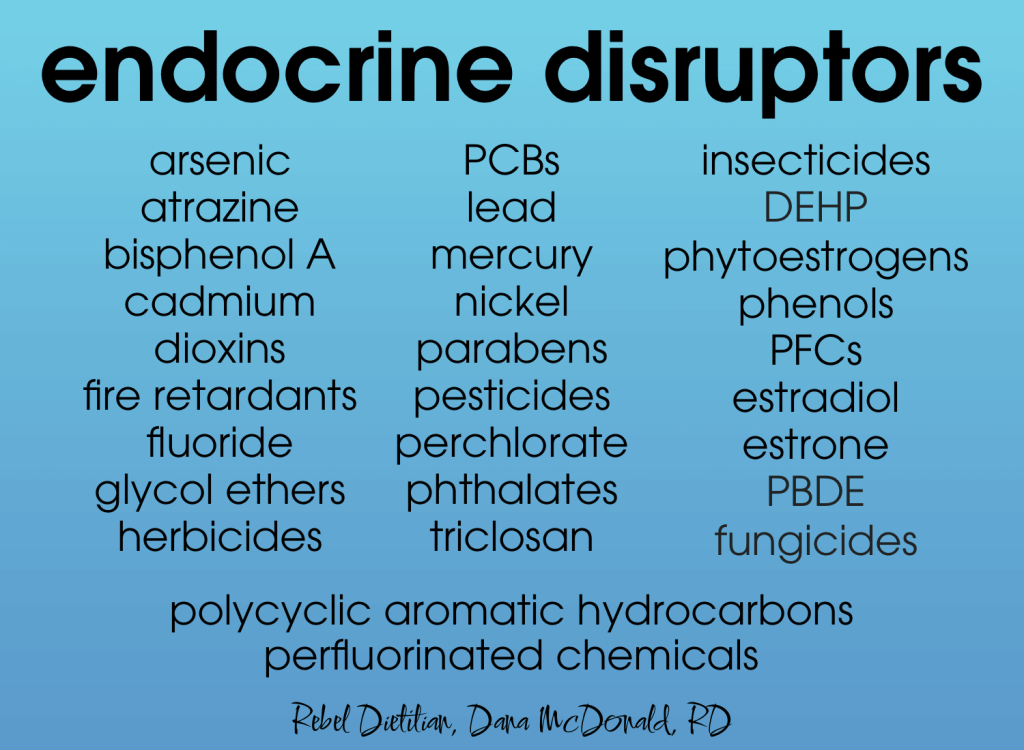
If you’ve struggled to lose the same weight for 20 years, struggled to get pregnant, had concerning mood shifts throughout your life, always struggled with your hormones, or maybe you’re suffering from a health condition, I want you to forgive yourself for believing this was on you. It’s not.
If you’ve read up until this point, you should be recognizing that the food industry has failed you. Not the other way around.
As women, we shouldn’t have to take matters into our own hands to protect our health, but here we are. So I’m going to give you some advice for the next time you go to the grocery store…Buckle up!
First off, when you look at a food label, the top section is a chart that tells you the nutritional breakdown of the food. And the bottom part is the ingredients. Most of us have spent a great deal of time looking at the amount of calories or obsessing over the ratios between protein, carbs, and fats. But if you want to prioritize women’s health, the first thing you need to do is look at the ingredient list. Because at the end of the day, it doesn’t matter how many calories are in 1 cookie, if the ingredient list contains ingredients you’ve never seen, and throws off your entire hormone ecosystem.
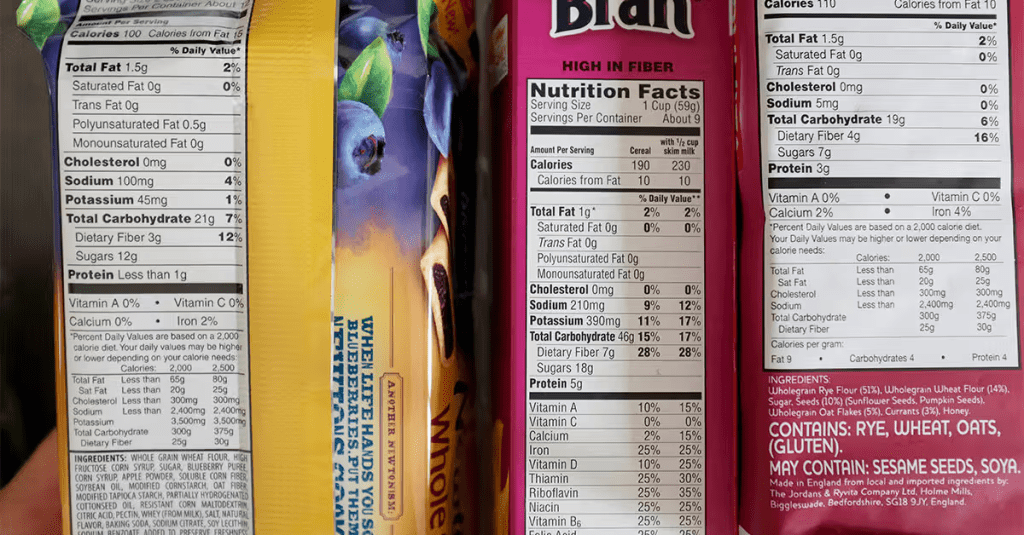
The truth is, counting calories does nothing for our hormonal health. On the other hand, ingredients greatly impact your hormones, so here’s a simple guide of questions to ask yourself when you want to buy something at the grocery store:
- How long is the ingredient list?
- What are the first few ingredients?
- Do you recognize the ingredients?
- Do any of the ingredients sound like a chemistry experiment?
- What kind of oils, sugars, and flours are listed?
- Do you see any artificial colors, flavors, or dyes listed?
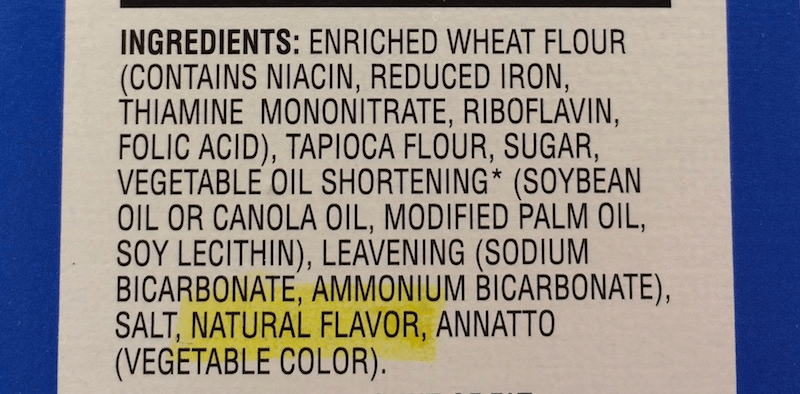
These simple questions can be the determining factor between whether or not this is safe to consume. You want to look at the list of ingredients and feel that it was made in nature, not a chemistry lab. One of the “natural flavorings” you may know is monosodium glutamate, a proven neurotoxin that has been scientifically linked to obesity, neurodegenerative brain disorders like Alzheimer’s, and reproductive abnormalities. Like, what do you mean?!
Many packaged and restaurant foods contain added monosodium glutamate (MSG), usually to boost savory “umami” flavor. Common examples include: instant noodles, flavored chips, canned soups, frozen meals, bouillon cubes, seasoning blends, processed meats, sauces, and fast food items.
Some foods that commonly contain MSG and are sold in grocery stores include:
- Instant ramen and noodle seasoning packets
- Doritos, Cheetos, and flavored potato chips
- Campbell’s soups and dry soup mixes
- Bouillon cubes and soup bases
- Frozen dinners and pizzas
- Processed meats like hot dogs, pepperoni, and jerky
- Salad dressings, barbecue sauces, and gravy mixes
- Seasoning salts and spice blends
Natural foods can also contain glutamate (not added MSG), including:
- Tomatoes
- Parmesan cheese
- Mushrooms
- Soy sauce
- Anchovies
…The more I begin to learn how many things get sold every day by consumers with no proper knowledge of what they’re eating is disappointing. Even “natural flavor” truly frustrates me because it is completely misleading. There is nothing natural about it!
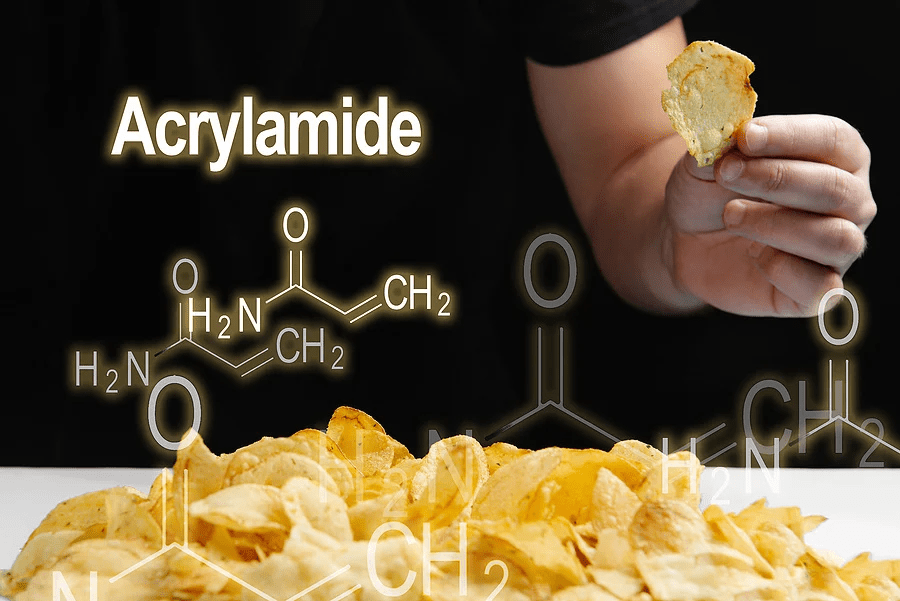
Nature’s foods are those that come straight from the ground. Those ingredients will be best for your hormones. Just compare a potato chip to a potato you buy from the store. One’s going to be cooked at home and going to be more nutritious, and one is going to be cooked in harmful oil and sprayed with toxic chemicals. A chemical that is commonly sprayed on potato chips is acrylamide, which has been shown to cause cancer in animal studies and nerve damage in factory workers who are repeatedly exposed.
The more items you buy with an ingredient list, the higher the chances of it containing something harmful. That said, once you start to recognize the ingredients to avoid, you’ll start to train an eye for the good and the bad.
The best-quality foods don’t have an ingredient list. Fresh produce is an example. An apple doesn’t require a label because it is the original food. Good-quality foods fall into three categories: They support your hormone production, they build your muscles, and they grow your gut microbiome.
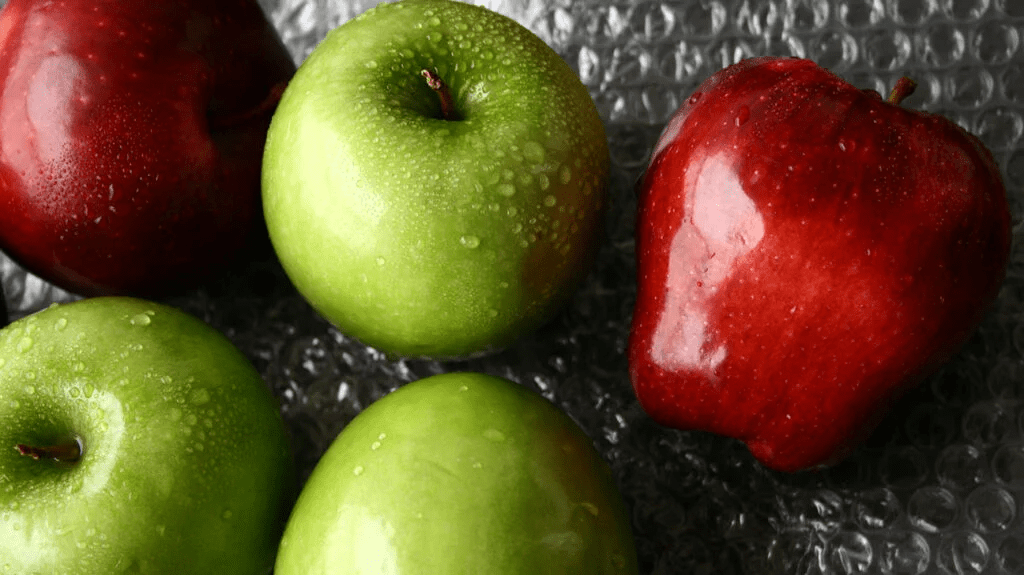
Your sex hormones, estrogen, progesterone, and testosterone, are greatly influenced by what you eat.
Foods that Support Estrogen
Good fats: olive oil, flaxseed oil, sesame oil, avocados, lima beans, carob, kidney beans, mung beans, pinto beans, black-eyed peas, and lentils.
Seeds and nuts: Brazil nuts, almonds, cashews, roasted salted peanuts, pine nuts, pumpkin seeds, sunflower seeds, walnuts, and sesame seeds.
Fruits and Veggies: sprouts, cabbage, spinach, onion, garlic, zucchini, broccoli, cauliflower, strawberries, blueberries, cranberries.
Legumes: peas, chickpeas, and soybeans.
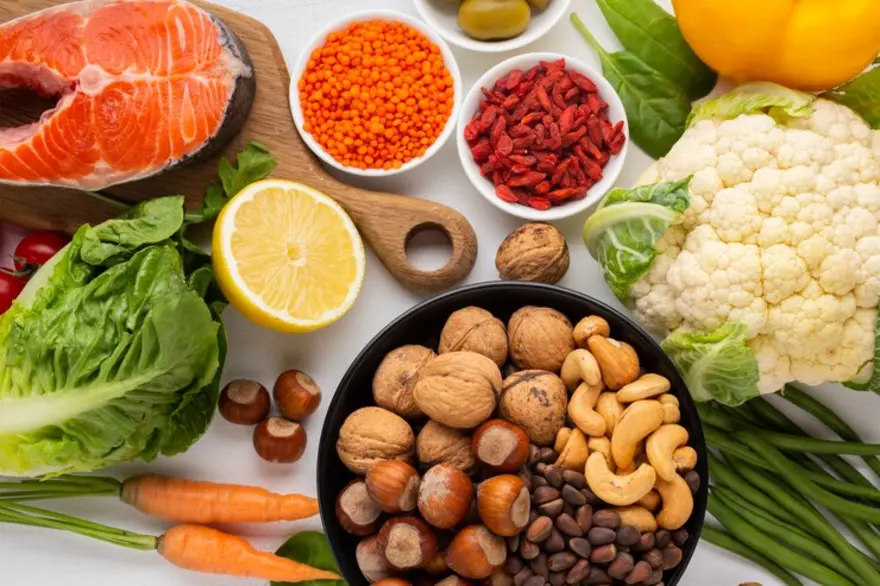
These foods are high in cholesterol and healthy fats that your estrogen will LOVE. Cholesterol is a precursor for producing estrogen, and any foods that support healthy cholesterol production will be good for your estrogen. To make estrogen, you need more of the good, healthy cholesterol known as high-density lipoprotein, or HDL. This healthy cholesterol is so crucial for estrogen that your miraculous body will change your cholesterol levels throughout your menstrual cycle, depending on when you need more or less of it! Super cool. If your body’s cycle is out of whack, supporting your estrogen with a specific diet will help point your body in the right direction.
Foods that Support Progesterone
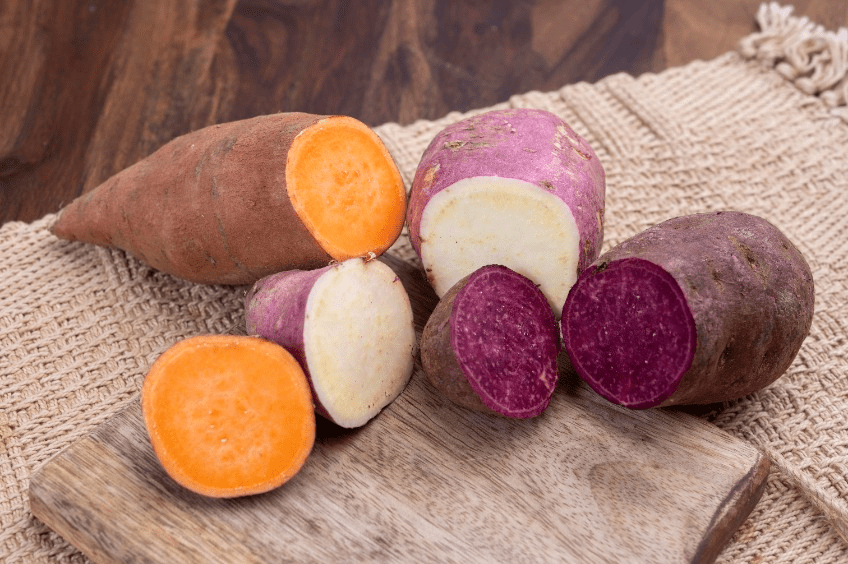
Root Veggies: white potatoes, red potatoes, sweet potatoes, yams, beets, turnips, fennel, pumpkin, butternut squash, acorn squash, honeynut squash, and spaghetti squash.
Cruciferous Veggies: Brussels sprouts, cauliflower, and broccoli.
Tropical fruits: bananas, mangoes, and papayas.
Seeds: sunflower, flax, and sesame.
Citrus fruits: lemons, oranges, grapefruit, and limes.
Legumes: chickpeas, kidney beans, and black beans.
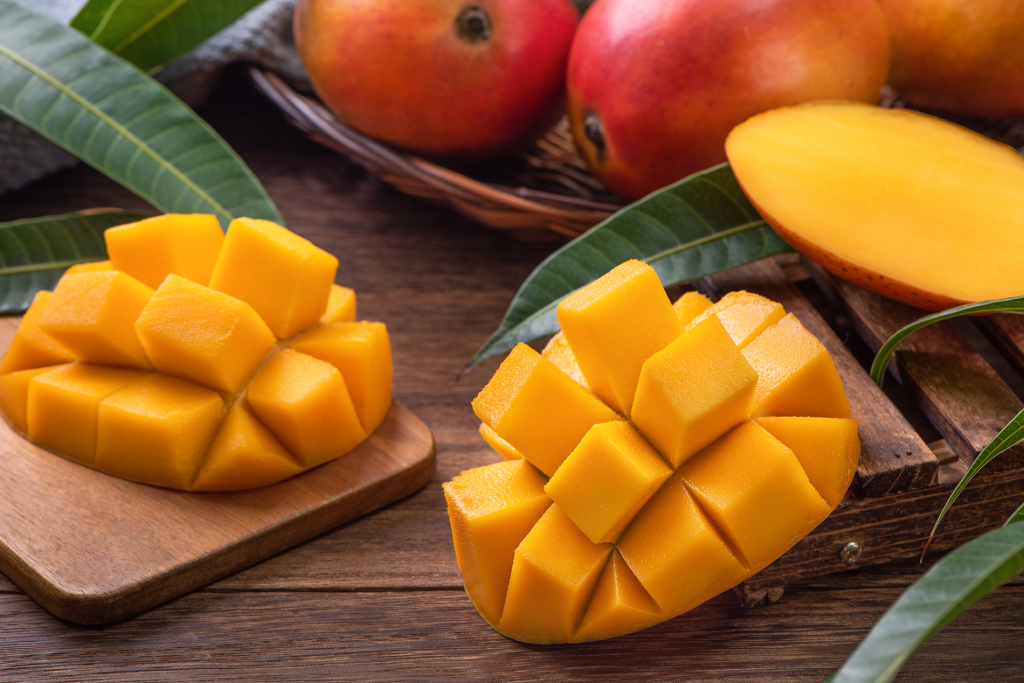
Progesterone would prefer you keep your blood sugar a little higher. Because of this, it’s common that the week before your period, you crave carbohydrates.
Muscle Building Foods
Leucine, Isoleucine, and valine-rich foods: Chicken, beef, fish, pork, milk cheese, eggs, pumpkin seeds, navy beans, and tofu.
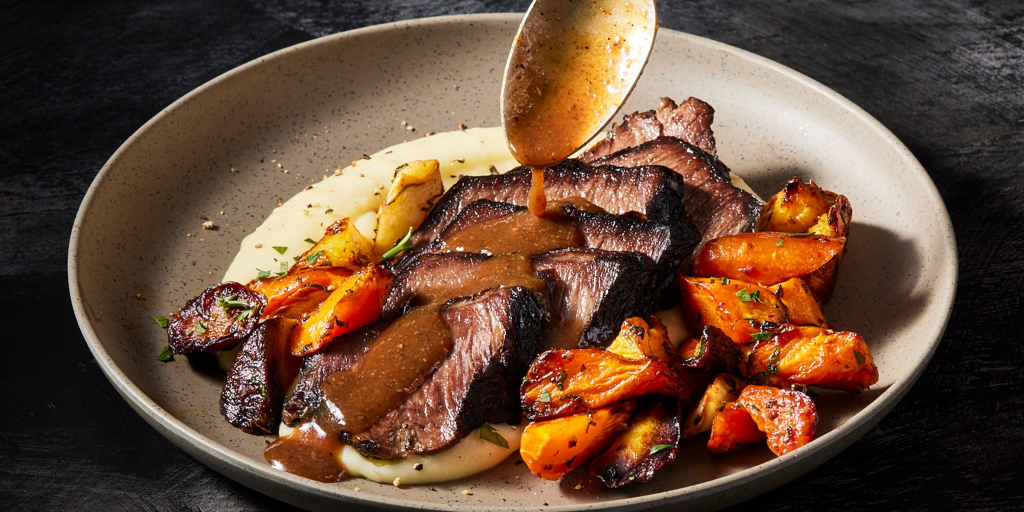
With both animal- and plant-based products, you want to make sure you skip the endocrine-disrupting chemicals. With plant-based diets, it’s the pesticides that are sprayed on foods that can negatively impact your hormones, whereas with animal-based proteins, it’s the added antibiotics and growth hormones that you need to avoid. The best way to ensure you are avoiding these is to always choose organic, non-GMO, and antibiotic- and hormone-free foods whenever possible. Also, do your best to hit 30g of protein per meal to trigger mTOR…a process that grows and strengthens your muscles. The older you get, the more IMPORTANT protein is. So please, eat your protein.
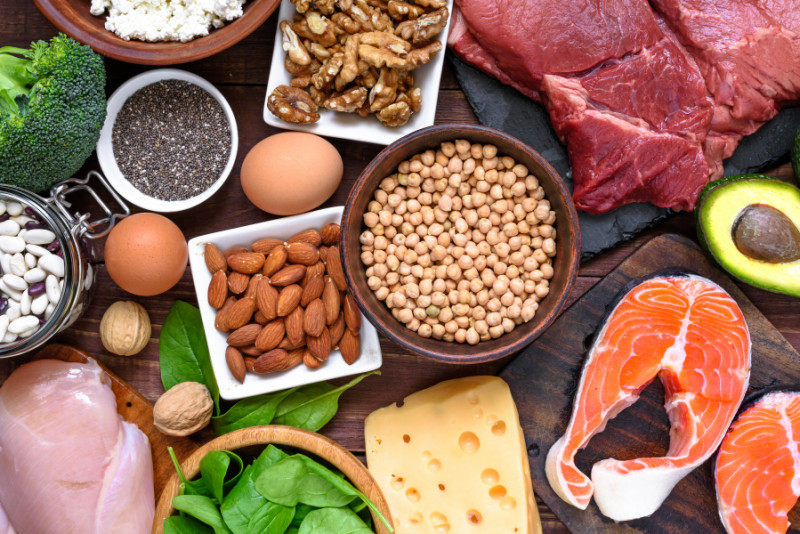
I also need to talk about the last three categories that are absolutely crucial to a healthy diet, but more specifically, balanced hormones. There are 10 times more bacterial cells in your body than human cells! And 90 percent of all the bacteria that live in our bodies live in our gut. Let that sink in.
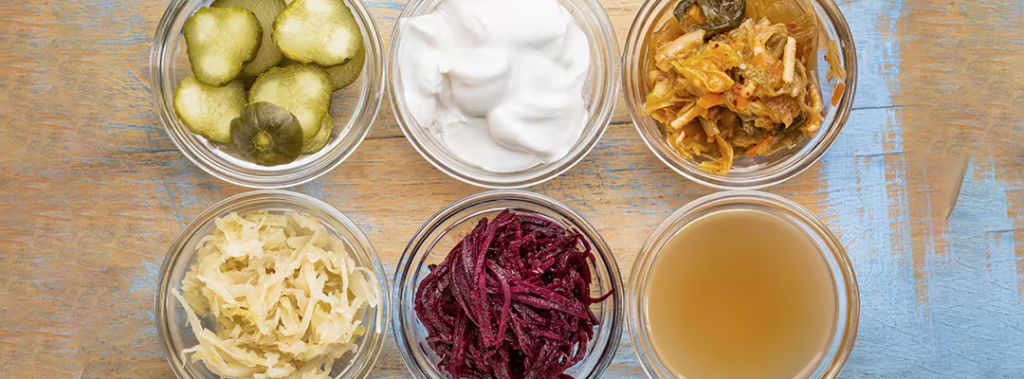
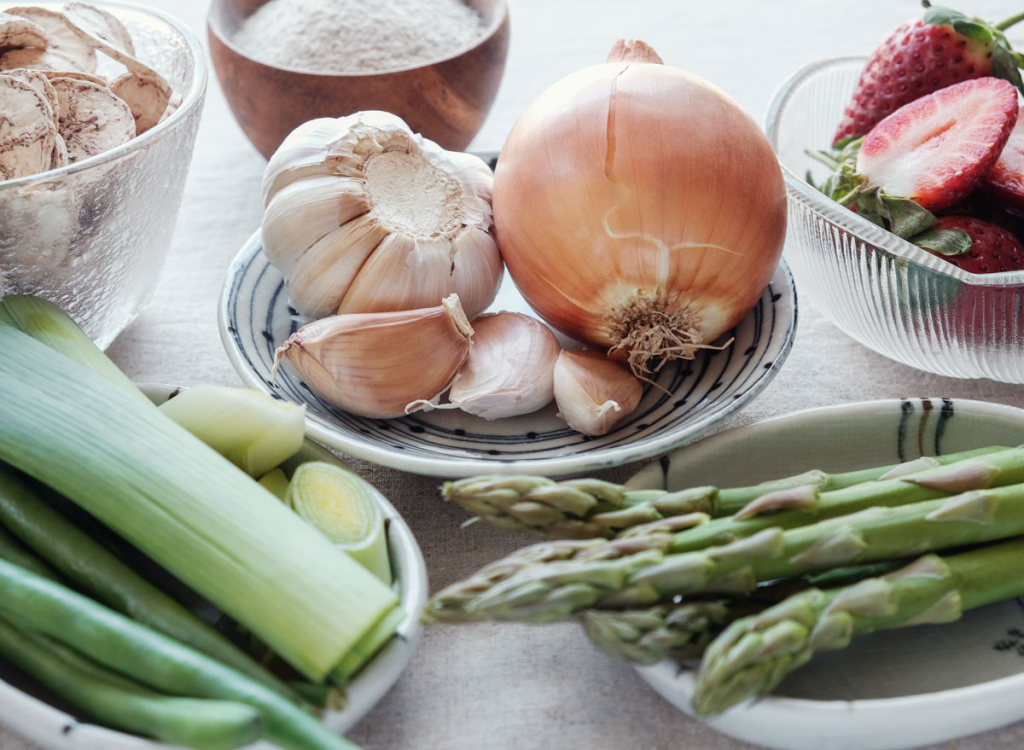
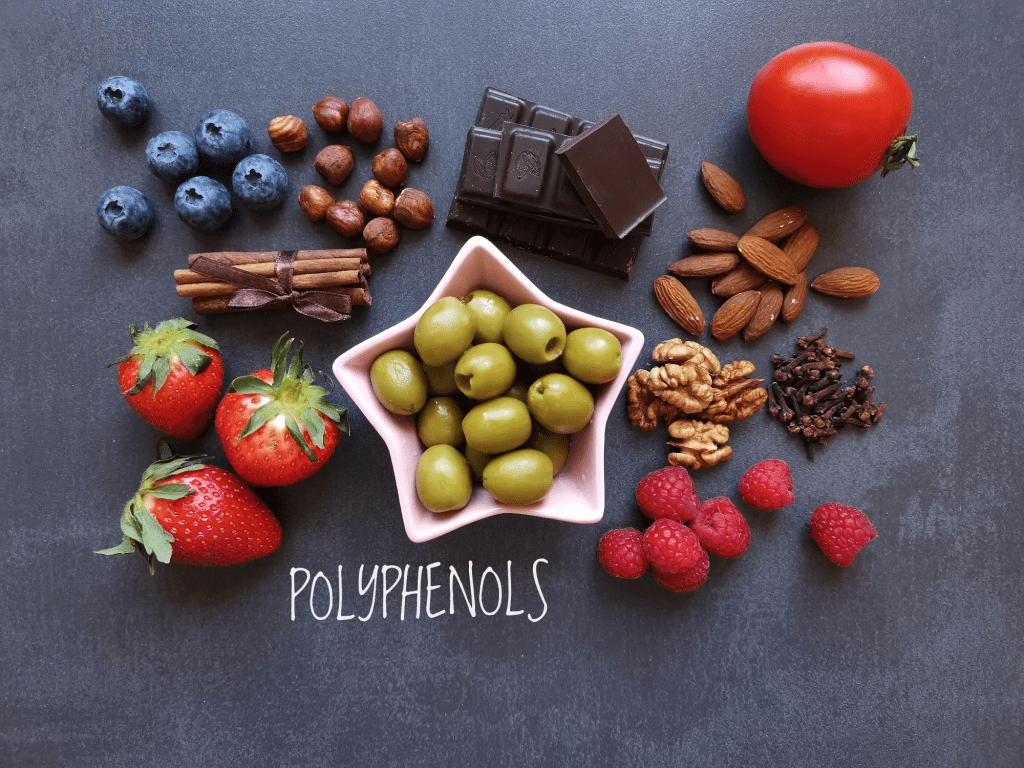
The good bacteria in our gut thrive on three types of foods: probiotic, prebiotic, and polyphenol foods. Probiotics have live microbes in them that support your neurotransmitter production, vitamin metabolism, proper immune function, and lower inflammation. Prebiotic foods tend to contain more fiber, making them an excellent fuel for your microbiome. Polyphenols are mostly found in plant-based foods and not only nourish your gut microbes but also act as antioxidants…
Probiotic-Rich Fermented Foods
Sauerkrout, kimchi, pickles, yogurt, kefir dairy, kefir water, and kombucha!
Prebiotic Foods
Chicory root, dandelion root, konjac root, burdock root, onions, Jerusalem artichoke, garlic, leeks, asparagus, red kidney beans, chickpeas, split peas, cashews, pistachios, and hummus.
Polyphenol Foods
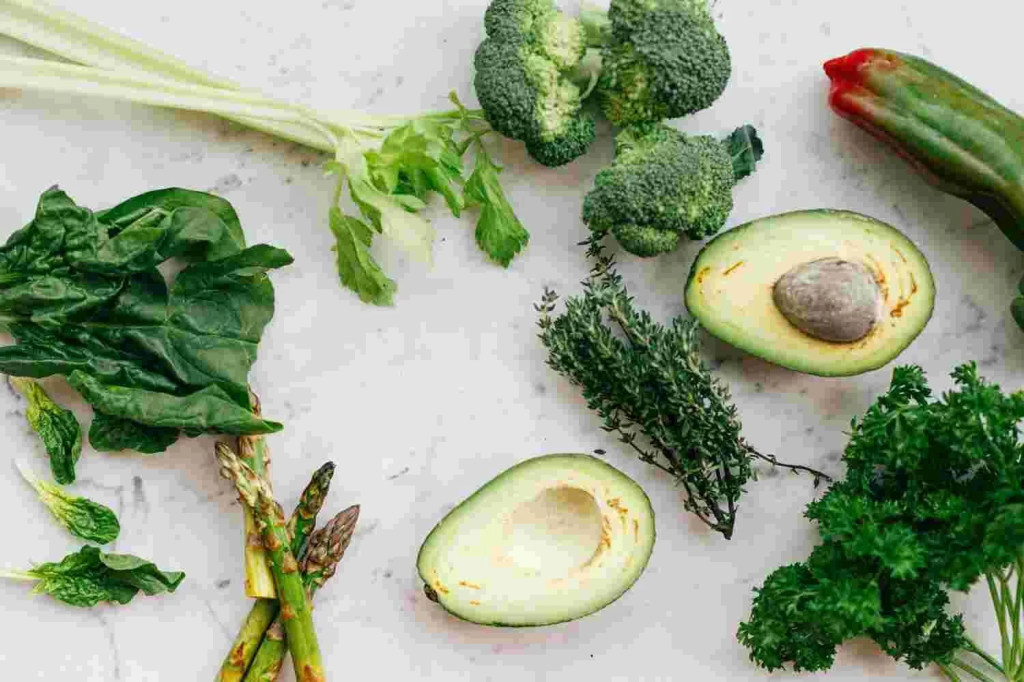
Artichoke hearts, broccoli, brussels sprouts, cloves, saffron, oregano, rosemary, thyme, basil, cinnamon, cumin, curry, dark chocolate, olives, parsley, red wine, and shallots.
Whether you are incorporating foods that support your hormones, build muscle, or feed your microbiome, the key is being intentional about it.
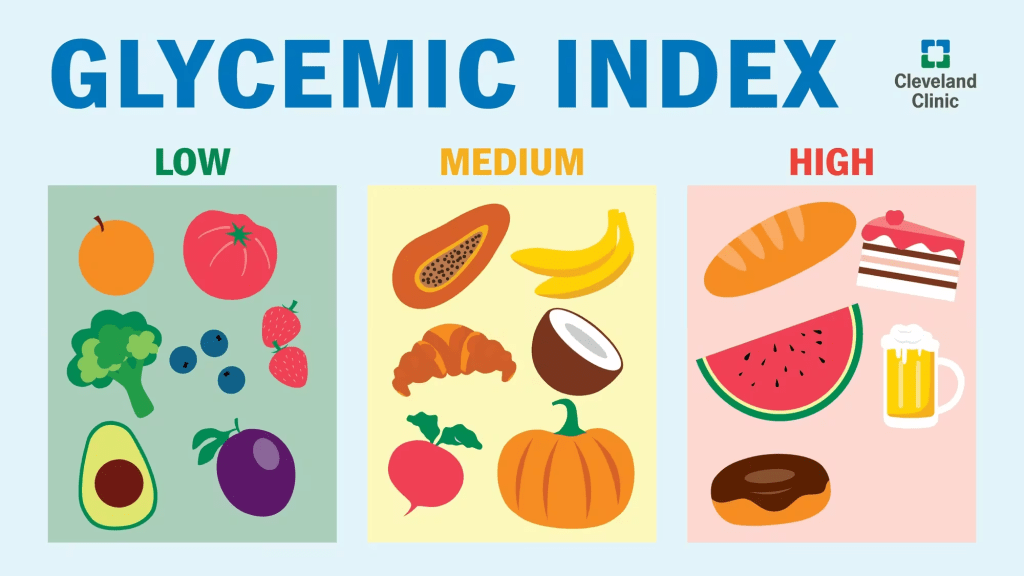
The second food principle you need to know is that glycemic load matters. If you’ve never heard the term glycemic before, don’t worry. I hadn’t either at first. Glycemic load is essentially a way of measuring how much a food will raise your blood sugar levels.
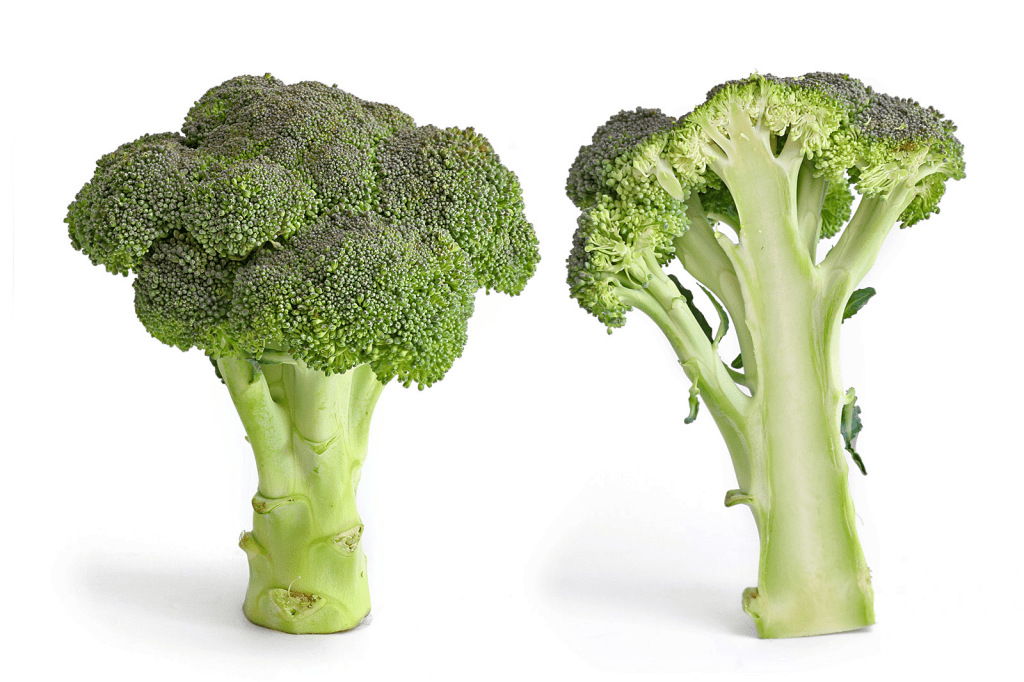
For example, broccoli has a low glycemic load because it’s a complex carbohydrate that digests slowly and releases energy gradually into the bloodstream.
On the other hand, a candy bar has a high glycemic load because it’s packed with simple carbohydrates and sugars that digest quickly, causing a rapid spike in blood sugar.

Blood sugar that is out of whack can indicate that a metabolic condition is brewing. It’s important to better understand this metric so that you can protect yourself from problems arising, such as cardiovascular conditions, high blood pressure, elevated cholesterol levels, increasing waist circumference, diabetes, and fatty liver disease…these are all conditions correlated to your blood sugar levels.
The glycemic index helps you better understand how every food you eat will impact your blood sugar differently. The glycemic index ranks foods on a number scale of 1 to 100. Foods closer to 100 will spike your blood sugar higher than foods that rank closer to 1. When you choose foods that are lower on the glycemic index, you reduce both glucose and insulin, making your fasting lifestyle effortless.
Your blood sugar is not influenced by calories. It’s influenced by the macronutrients you eat. Understanding your macronutrients better, which are often referred to as “macros”, is key to understanding how food will affect your blood-sugar levels. Another cool fact to know is that choosing macros that will help keep your blood sugar from spiking high will help you switch over to the fat-burning energy system quicker.
There are three major macronutrients to focus on: carbohydrates, proteins, and fats. Carbohydrates will raise your blood sugar the most, protein second, and fats will keep your blood sugar relatively the same and/or even lower it! In order to be metabolically flexible, balance your hormones, and train your body to be a fat-burning system, you want to keep your blood sugar as stable as possible. Getting to understand these key macros is important.
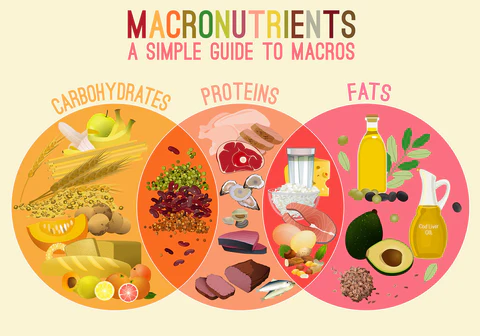
Carbohydrates
The simplest way to understand carbohydrates is that they’re a measurement of the sugar, starch, and cellulose in a food. Carbs come in two forms: simple and complex. Simple carbs spike your blood sugar quickly and possibly even raise your blood sugar well beyond levels that your body can effectively handle. When your body can’t process the amount of sugar in your blood, it finds other ways to store that sugar. The first two places are in your liver and fat cells. Without overwhelming your daily lifestyle, it would be best to just stay intentional when it comes to carbs: eat fewer simple carbs and more complex carbs. Complex carbs carry more fiber, raise your blood sugar LESS, allowing your cells to slowly take sugar in, leaving less for storage in your liver and fat.
Typically, if the food looks like it was made in nature, it is probably a complex carb (example: apple). But if it looks man-made, it’s most likely a simple carb (example: muffins). Nature-made carbs also meet the first food principle, which is healthy, clean ingredients. This supports your muscles, hormones, and microbiome. When timed properly with your cycle, nature-made carbohydrates are a wonderful tool to help you thrive with your health.
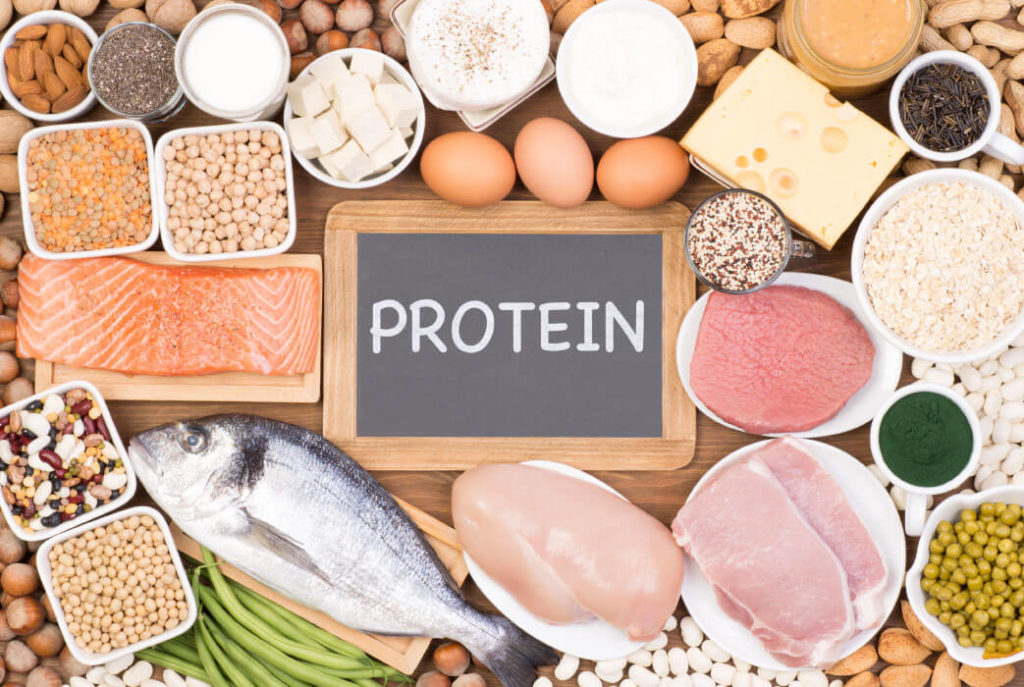
Protein
We all know protein is known for its muscle-building power, but it’s also important to understand what protein does to your blood sugar. Protein actually has many positive benefits for your blood sugar. The first benefit is that protein breaks down into glucose at a much slower rate than carbs, and your body has time to control the sugar coming in. Secondly, protein can also slow down the absorption of carbohydrates. When you pair a carb with a protein, your body takes more time to absorb carbs, and therefore, the glucose response will be much slower.
That’s why it’s often recommended not to eat too big a meal before exercise because it can take 1-2 hours to truly digest and access the energy from your macronutrients. Having a “simple carb” 30 minutes before exercise is common because we know that simple carbs seep into your blood sugar quickly, and your body will have energy ready to go. Some athletes bring honey or maple syrup with them as a quick boost of energy, or runners doing long distances will bring miniature snacks that take seconds to digest.
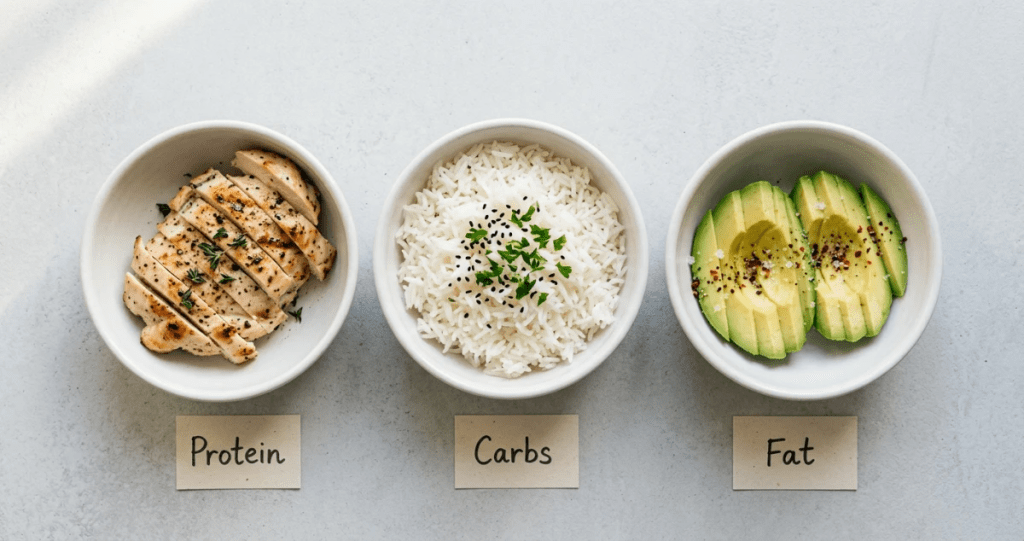
Fat
The last macro is fat. And fat is the true hero of them all. Fat does an amazing job at keeping your blood sugar down AND killing your hunger. Fat is your friend, not your enemy. We just need to become familiar with two terms: good fat and bad fat. Good fats nourish your cells; bad fats inflame them. The outside of your cells are nourished by good fat. This membrane determines which nutrients stay in the cell and which toxins need to be released. Bad fats inflame the cell membrane, blocking nutrients from getting in and toxins from getting out. It’s important to recognize one from the other and steer yourself away from inflammatory fats that are debilitating to your cells.
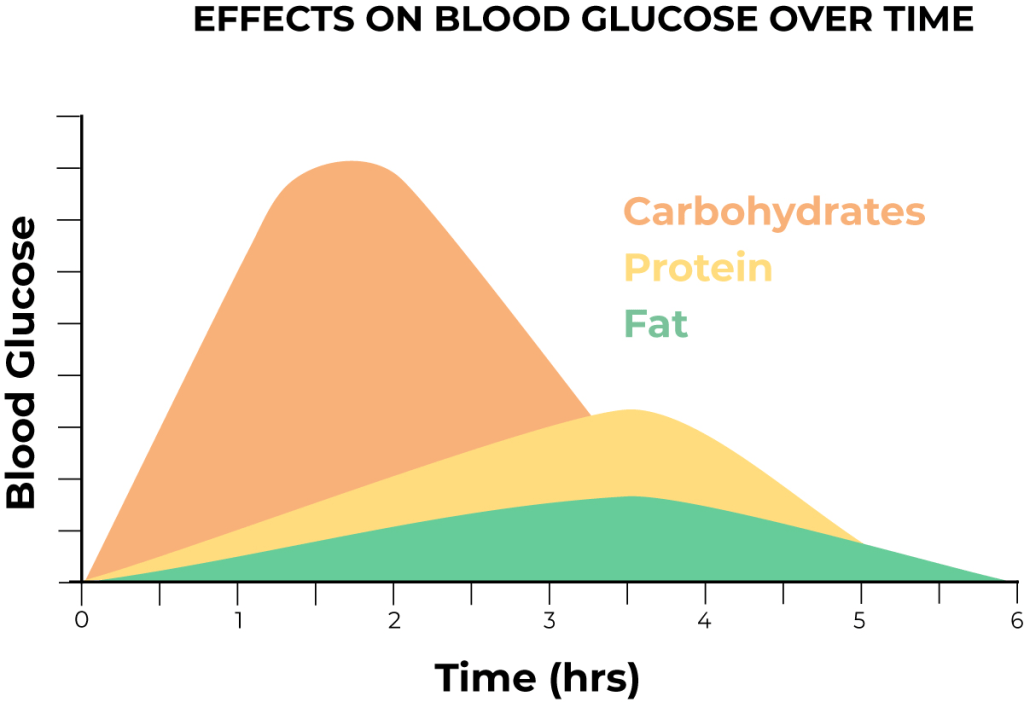
Whatever your goal is, it’s important to understand how certain foods affect your blood sugar levels, glycemic index, and overall digestion to enjoy activities to their fullest potential while also not falling victim to raised blood sugar levels unintentionally.
 Mental wellness collective
Leave a comment